
DigitAP Project: Monitoring the Mediterranean Monk Seal and Environmental DNA in Marine Protected Areas
The field activities of the PNRR DigitAP project dedicated to monitoring the Mediterranean monk seal (Monachus monachus) in coastal sites and collecting samples for experimental marine biodiversity studies through environmental DNA (eDNA) analysis have recently been completed.
In recent weeks, ISPRA, together with the scientific staff of the respective Marine Protected Areas (MPAs), has been working at several sites—including Plemmirio, Punta Campanella, Santa Maria di Castellabate, Costa degli Infreschi and della Masseta—carrying out integrated observation and sampling activities.
Specifically, in the Plemmirio and Punta Campanella MPAs, camera traps were installed inside selected coastal caves to document the presence of the Mediterranean monk seal and study its site-use patterns. With the involvement of the Egadi Islands MPA, the Tuscan Archipelago National Park, and a large area of southern Apulia, the number of Italian areas participating in this ISPRA-coordinated monitoring program has now risen to five, further strengthening the foundations for the conservation of the species at the national level
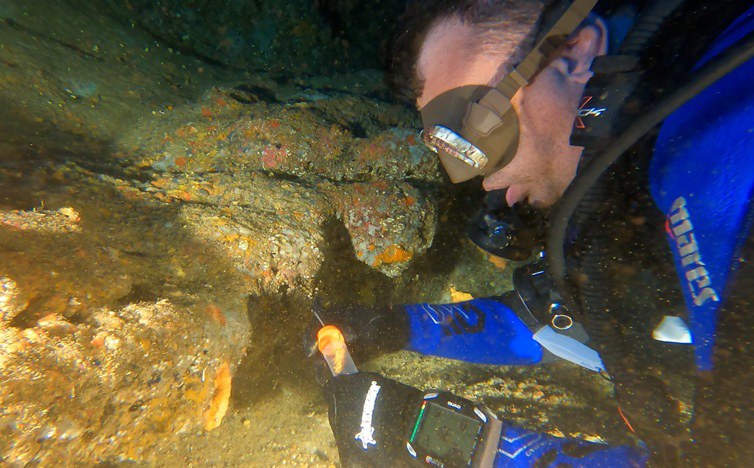
At the same time, seawater and filter-feeding organisms were sampled for environmental DNA (eDNA) analysis. This innovative technique, now being applied within Marine Protected Areas (MPAs), makes it possible to identify species present in a given area by analyzing genetic traces dispersed in the marine environment. It offers new opportunities to enhance marine biodiversity monitoring and provides additional targeted evidence of the presence of the Mediterranean monk seal, complementing and being cross-validated with traditional monitoring methods.
These activities are part of the DigitAP project, which is equipping the Italian network of Marine Protected Areas (MPAs) with advanced technologies and the technical-scientific expertise needed to collect key information in support of their management. Field research on the Mediterranean monk seal and the experimental environmental DNA analyses therefore complement the 31 site-specific monitoring operational plans developed by ISPRA for each MPA during the course of the project.