
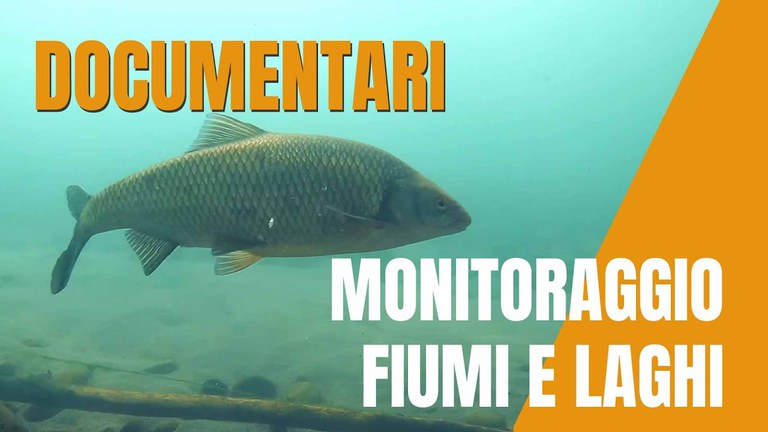
From the global climate to the waterways of our parks: a new documentary for COP31 Description
In the occasion of the 31st Conference of the Parties to the United Nations Framework Convention on Climate Change (COP31)—taking place in Antalya from November 9 to 20—we are releasing the sixth and final episode of our documentary series on biodiversity monitoring, focusing on efforts to track fish populations and pollutants within our parks.
Climate change amplifies the effects of the various pressures affecting freshwater ecosystems, including urbanisation and land sealing, river fragmentation, pollution from pesticides and fertilisers, the introduction of invasive alien species, and excessive water abstraction, thereby accelerating their degradation. The overall impact of these pressures is reflected in the unfavourable or inadequate conservation status of 60% of freshwater fish species protected under the Habitats Directive.
The documentary presents the fish and physico-chemical monitoring activities carried out in wadable watercourses across 17 National Parks as part of the DigitAP project. The aim was to assess the status of fish populations and identify the pressures threatening their conservation, including climate change, in order to define appropriate management measures. In addition, samples were collected at 80 monitoring stations across 11 National Parks to detect residues of plant protection products, which pose a threat to fish populations.
In all the monitored watercourses, hybrids and non-native species were detected, together with various types of environmental pressures, including residues of plant protection products that are toxic to aquatic ecosystems and originate from agricultural activities both inside and outside the National Parks. Improving the condition of these watercourses therefore requires the planning of targeted interventions, also in cooperation with other authorities and organisations responsible for their protection.
This documentary series was produced with funding from the Italian National Recovery and Resilience Plan (PNRR), as part of the DigitAP project, promoted and implemented by the Italian Ministry of the Environment and Energy Security (MASE), with the support of ISPRA and funding from the European Union – NextGenerationEU. ISPRA provided scientific coordination for the project.
-
The first episode of the series is dedicated to the Apennine brown bear.
-
The second episode focuses on Habitat monitoring.
-
The third episode focuses on Bird monitoring.
-
The fourth episode focuses on Terrestrial wildlife monitoring.
-
The fifth episode focuses on Marine Protected Areas.