New Study on the Genetic Diversity of the European Hedgehog in Italy
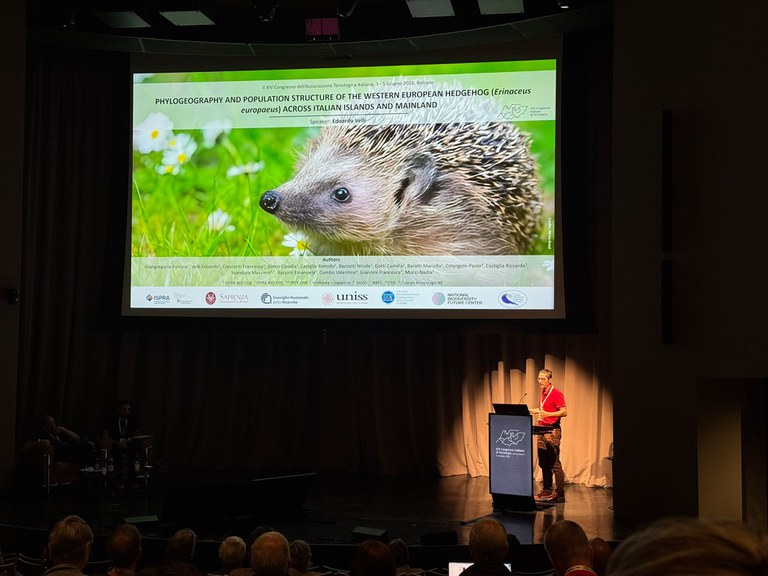
A new study published in the journal Mammalian Biology analyzes the genetic structure and evolutionary history of the European hedgehog (Erinaceus europaeus) in Italy, integrating for the first time data from populations distributed across the entire Italian Peninsula, northeastern Italy, and the country’s main islands.
The research, coordinated by ISPRA researchers and conducted in collaboration with the National Research Council (CNR), IZS Sicilia, the NBCF in Palermo, the Universities of Rome La Sapienza and Sassari, and the Tuscan Archipelago National Park, examined more than 200 samples, using genetic analysis to reconstruct the genetic relationships among the different populations.
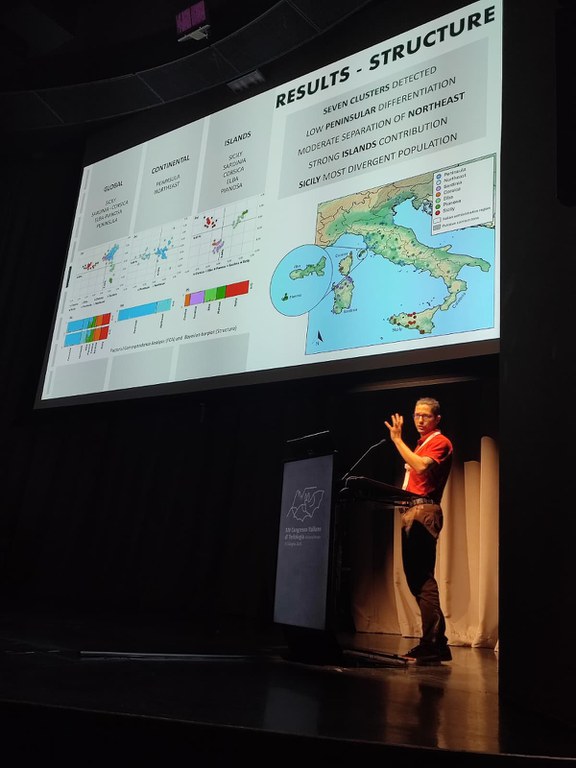
The results show that Italian populations retain an important reservoir of genetic biodiversity and reveal the existence of seven distinct genetic groups. In particular, the Sicilian population emerges as an ancient and highly differentiated evolutionary lineage, confirming its high conservation value.
The study also highlights the role of Mediterranean islands as reservoirs of genetic diversity and provides new insights into the processes that have shaped Italian wildlife during the glacial periods and subsequent species expansions.
The study represents one of the most comprehensive contributions to date on the genetics of the European hedgehog in Italy. It expands our understanding of national biodiversity, providing useful information for identifying populations of particular conservation interest and for protecting the country’s natural heritage.
Reference: Giangregorio and Velli et al. (2026), Phylogeography and population structure of the Western European hedgehog across Italian islands and mainland.