Italy at the Heart of Migration Routes through Citizen Science and the AEWA Agreement
On the occasion of the autumn observance of World Migratory Bird Day, the Ministry of the Environment and Energy Security (MASE) and ISPRA invite citizens to become active participants in scientific research.
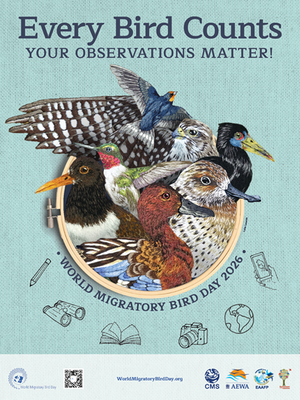
Saturday, October 10, 2026, marks the autumn observance of World Migratory Bird Day, the global campaign promoted by the United Nations environmental treaties CMS (Convention on Migratory Species) and AEWA (Agreement on the Conservation of African-Eurasian Migratory Waterbirds), together with Environment for the Americas (EFTA) and the East Asian-Australasian Flyway Partnership (EAAFP).
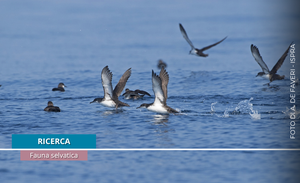
The official 2026 theme, “Every Bird Counts – Your Observations Matter!” (“Every Bird Counts – Your Observations Matter!”), highlights the invaluable contribution of Citizen Science (public participation in scientific research). From observations in urban parks to wetland monitoring, data collected by enthusiasts, volunteers and birdwatchers around the world are transformed into essential scientific tools for protecting global biodiversity.