Istituto Superiore per la Protezione
e la Ricerca Ambientale

Cerca
Fire on Monte Faeta: Impacts on Forest Ecosystems. First 2026 Data on Wildfires in Italy
May 07, 2026

In the Province of Pisa, in the municipality of San Giuliano Terme, and in the Province of Lucca, in the municipalities of Lucca and Capannori, approximately 500 hectares of land were affected by wildfire between April 28 and May 2, of which 370 hectares were forest cover.

The statistics were processed by ISPRA on the basis of high-resolution satellite mapping and through the use of artificial intelligence applications to identify the forest ecosystems affected by the fires.

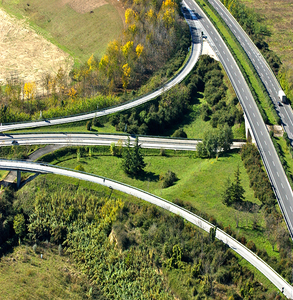
The area is characterized by an interface landscape between natural ecosystems and agriculturally oriented areas, with a significant presence of forested land. The burned area falls within the Special Area of Conservation “Monte Pisano,” a site belonging to the Natura 2000 Network.

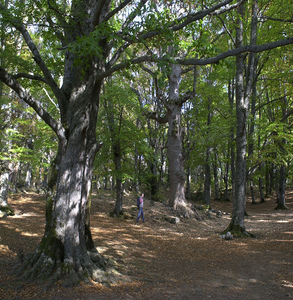
According to ISPRA estimates, the forest ecosystem most severely affected by the fire was conifer woodland, with around 200 hectares burned. Holm oak forests were also affected over approximately 100 hectares, along with oak and chestnut forests covering an area of around 70 hectares.

Maria Alessandra Gallone, President of ISPRA and SNPA, stated: “Our forests constitute a natural capital of inestimable value, as they protect biodiversity, contribute to climate regulation, and provide essential ecosystem services for the community. Their protection requires continuous commitment, based on knowledge, innovation, and cooperation among institutions. The fire that affected Monte Faeta strongly draws attention to the strategic importance of environmental surveillance and the protection of our forest heritage. Fire prevention and management cannot be separated from a solid technical and scientific foundation; the work carried out by ISPRA makes it possible to continuously monitor the condition of ecosystems, providing reliable and timely data to support institutional decision-making. In this context, environmental surveillance represents not only a monitoring tool, but also an essential driver for the sustainable management of forest areas, helping to build a culture of prevention and greater territorial resilience. This is a responsibility that concerns us all, and one that ISPRA will continue to uphold with the utmost scientific and institutional rigor”.

Highlight

Topics in evidence

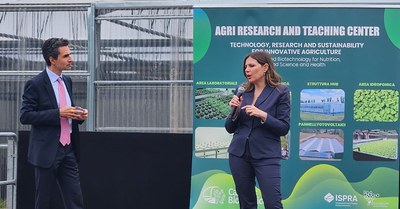
Inauguration of the Agri Research and Teaching Center
May 08, 2026 — May 08, 2026

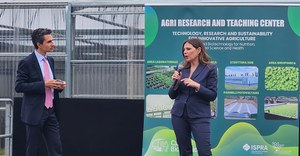
Today, Campus Bio-Medico inaugurated the Agri Research and Teaching Center, an agro-biotech hub and integral part of the Applied Technology Park within the Social Green Masterplan, conceived as an advanced ecosystem integrating research, healthcare, education, and environmental sustainability.

The hub is designed as a high-tech multifunctional infrastructure, offering the opportunity for an integrated pathway relevant to various fields of research. It aligns with the bio-innovation sector in terms of sustainable sourcing and the enhancement of biological resources, further optimized through engineering and AI applications.

The multifunctional greenhouse, together with its experimental laboratory, has been conceived as an open hub based on the principles of energy security — a space where universities, research centers, and companies can meet and build concrete synergies.

continue
Guidelines for the Preparation of Environmental Monitoring Plans for Projects Subject to Environmental Impact Assessment Procedures
May 14, 2026 09:00 AM — May 14, 2026 01:30 PM Roma, sede ISPRA, via Vitaliano Brancati 48 e online

Within the framework of the Environmental Impact Assessment (EIA), the Environmental Monitoring Plan (EMP) provides a comprehensive overview of the environmental changes associated with the construction and operation of projects, measuring their sustainability.

The new ISPRA Guidelines provide criteria and technical contents for the preparation of EMPs, offering unified methodological and operational guidance that also enables technical harmonization across the national territory, as well as the comparison and reuse of monitoring data.

continue
World Migratory Bird Day 2026
May 09, 2026 — May 09, 2026

Saturday, May 9th, is World Migratory Bird Day. The theme for 2026, "Every Bird Counts – Your Observations Matter!", emphasizes the importance of citizen science for migratory bird conservation.

Focusing on individual contributions, citizen science, and public bird monitoring initiatives, the 2026 campaign will celebrate the millions of bird enthusiasts worldwide who, through every recorded observation, contribute to the collection of data and knowledge critical to policy decisions and bird conservation.

continue
All ISPRA Events All News

May

May