
World Migratory Bird Day
ISPRA releases a documentary dedicated to bird monitoring
10 October 2026 marks World Migratory Bird Day. Birds are remarkable bioindicators: sensitive to changes in the landscape, their presence and population status provide valuable insights into environmental quality and the biodiversity richness of the ecosystems they inhabit and travel through.
To celebrate this day, we are releasing the third episode in our documentary series dedicated to biodiversity monitoring. The series was produced with funding from Italy’s National Recovery and Resilience Plan (PNRR) as part of the DigitAP project, promoted and implemented by the Italian Ministry of the Environment and Energy Security (MASE), with support from ISPRA and funding from the European Union – NextGenerationEU. ISPRA played a leading role in providing scientific guidance for the project.
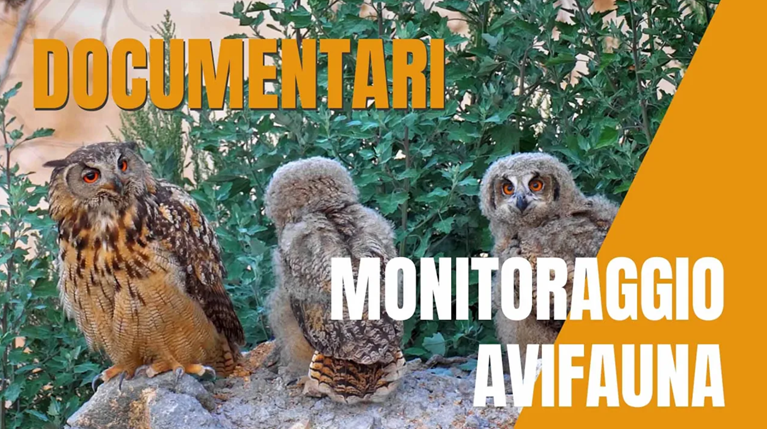
Set against the spectacular and complex landscape of the Cinque Terre National Park, this third episode shows how technological innovation is transforming field research. By installing acoustic recorders and using machine-learning-based software for species identification, researchers can continuously and non-invasively detect, track and analyse the presence of species across the territory. These methods improve the quality of the data collected and strengthen our ability to protect biodiversity in Italy’s national parks.
- https://www.isprambiente.gov.it/en/news/world-migratory-bird-day
- World Migratory Bird Day
- 2026-10-10T00:00:00+02:00
- 2026-10-10T23:59:59+02:00
- ISPRA releases a documentary dedicated to bird monitoring 10 October 2026 marks World Migratory Bird Day. Birds are remarkable bioindicators: sensitive to changes in the landscape, their presence and population status provide valuable insights into environmental quality and the biodiversity richness of the ecosystems they inhabit and travel through. To celebrate this day, we are releasing the third episode in our documentary series dedicated to biodiversity monitoring. The series was produced with funding from Italy’s National Recovery and Resilience Plan (PNRR) as part of the DigitAP project , promoted and implemented by the Italian Ministry of the Environment and Energy Security (MASE), with support from ISPRA and funding from the European Union – NextGenerationEU. ISPRA played a leading role in providing scientific guidance for the project. Set against the spectacular and complex landscape of the Cinque Terre National Park, this third episode shows how technological innovation is transforming field research. By installing acoustic recorders and using machine-learning-based software for species identification, researchers can continuously and non-invasively detect, track and analyse the presence of species across the territory. These methods improve the quality of the data collected and strengthen our ability to protect biodiversity in Italy’s national parks.
- What evidence
- When Oct 10, 2026 (Europe/Berlin / UTC200)
-
Add event to calendar
 iCal
iCal
The first episode in the series focuses on the Apennine brown bear, one of the most precious and vulnerable symbols of Italy’s biodiversity. The second episode is dedicated to habitat monitoring.
href="https://youtu.be/zbyF7cvOy0A" data-linktype="external" data-val="https://youtu.be/zbyF7cvOy0A">secondo episodio al monitoraggio degli habitat.