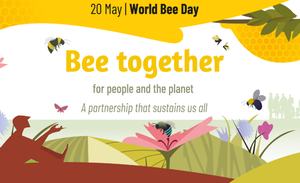
Pollinating insects play vital ecological roles that support global biodiversity, food security, and ecosystem balance. About 90% of the world’s wild flowering plants depend on insects for pollination in order to reproduce. It is also estimated that 75% of major global crops—including vegetables, fruits, nuts, and forage—benefit from insect pollination. Beyond agriculture, pollinators indirectly contribute to climate change mitigation by supporting the health of forests and natural ecosystems, which are essential for CO₂ absorption.
The status of pollinator populations in Italy is considered critical, reflecting the broader negative trend across Europe.
- Species at risk: around 22% of the 151 assessed native bee species are threatened with extinction.
- Main causes: habitat fragmentation, intensive agriculture, widespread pesticide use, and increasing pressure from climate change.
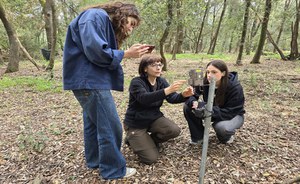
We all depend on pollinators. Monitoring their decline and taking action to halt biodiversity loss is essential—not only for protecting ecosystems, but also for safeguarding food systems and environmental stability.