
Events and News
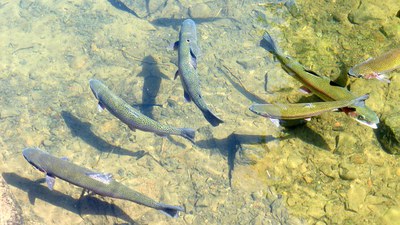
Environmental training course: "Protect habitats and river species"
Sep 15, 2026 — Oct 15, 2026The training program, developed and implemented as part of the LIFE STREAMS project, aims to disseminate and promote a common, shared understanding regarding the proper management and conservation of Mediterranean trout populations and habitats, based on the guidelines developed within the project itself.
Energy Transition and Ecosystem Protection: Assessing the Impacts of Wind Energy, Biodiversity Monitoring, and Nature-Based Solutions for Solar Photovoltaics
Sep 09, 2026 — Sep 09, 2026 WebinarThe course, organized by the Emilia-Romagna Region – Protected Areas, Forests and Mountain Areas Development Department as part of the European LIFE NatConnect2030 project, is aimed at technical and administrative staff of public authorities, managers of protected areas and Natura 2000 sites, environmental professionals and consultants, and researchers.
The initiative will explore the application of the Appropriate Assessment (AA) procedure to wind energy projects, biodiversity monitoring, and the role of Nature-Based Solutions (NbS) in the design and management of ground-mounted photovoltaic systems. Particular attention will be given to ecosystem conservation and the protection of the Natura 2000 network.
MicoCosmo Festival 2026
Sep 02, 2026 — Sep 06, 2026 Cevo (BS)The third edition of the MicoCosmo Festival—an Italian mycology event dedicated to giving a voice to the diverse facets of this world—will take place in Cevo (Brescia) from September 2 to 6.
The Meet Fungi project, of which ISPRA is a partner, will participate in the event to showcase its activities and objectives, promoting the monitoring of fungal biodiversity, the collection and sharing of mycological data, and the value of fungi for forest ecosystem conservation.
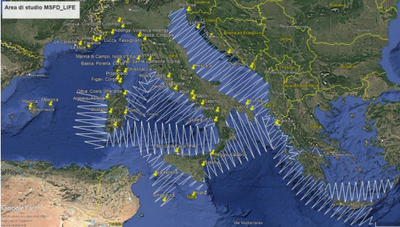
ISPRA Conducts Cetacean Monitoring under the Marine Strategy Framework Directive and the LIFE MareNatura Project
Jul 27, 2026The first survey session of ISPRA’s aerial monitoring activities carried out under the Marine Strategy Framework Directive (MSFD) and the LIFE MareNatura project has been successfully completed. These aerial surveys are aimed at estimating the population size of cetacean species inhabiting the seas surrounding Italy and the Ionian Sea.
The monitoring activities conducted by ISPRA under the MSFD constitute Italy’s official national cetacean monitoring programme. Together with the activities carried out within the LIFE MareNatura project, they represent Italy’s contribution to the international commitments undertaken within the framework of ACCOBAMS (the Agreement on the Conservation of Cetaceans of the Black Sea, Mediterranean Sea and Contiguous Atlantic Area), while also contributing to the broader ACCOBAMS Survey Initiative (ASI).
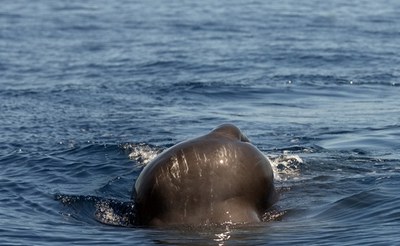
A New Key Area for Sperm Whales in the Aegean Sea
Jul 27, 2026An important achievement resulting from ISPRA’s activities within the LIFE MARENATURA project, which dedicates one of its Work Packages to studying the habitat use of the sperm whale (Physeter macrocephalus).
In May 2026, aboard the research vessel Artina operated by Nature Conservation Consultants (NCC), ISPRA, with the support of the CIMA Research Foundation, coordinated a field campaign to deploy SPOT-365 satellite tags. Thanks to the outstanding joint efforts of the LIFE MARENATURA project partners, more than 80 hours of observation were carried out during just 10 days of surveys, leading to the sighting of three adult male sperm whales.
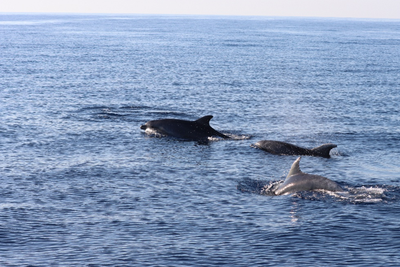
Beyond the coast: bottlenose dolphins follow the rhythm of the seasons in the Mediterranean
Jul 27, 2026The sea is a complex environment, and to better understand it we often rely on categories that help describe it, such as distinguishing coastal waters from the open sea. While these distinctions are useful, nature rarely follows such clear-cut boundaries. The common bottlenose dolphin (Tursiops truncatus), widely regarded as the quintessential coastal dolphin, is a perfect example.
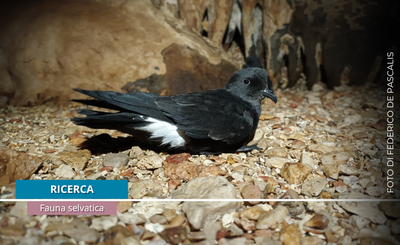
Storm Petrels and the Challenge of Crosswinds
Jul 26, 2026An international study coordinated by ISPRA researchers has uncovered a remarkable flight strategy adopted by the Mediterranean storm petrel (Hydrobates pelagicus melitensis), the smallest seabird in the Mediterranean. During the breeding season, these tiny birds undertake long foraging trips over the open sea while their partners remain at the nest incubating the egg. As timing is crucial for reproductive success, finding food efficiently is essential.
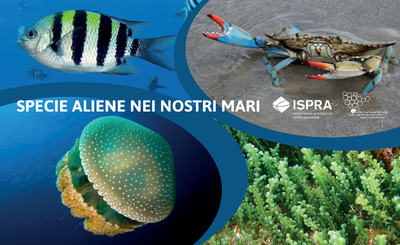
Alien Species in Our Seas
Jul 26, 2026The Mediterranean Sea is becoming increasingly populated by alien species introduced through human activities such as maritime shipping, aquaculture, and the aquarium trade, as well as through artificial waterways like the Suez Canal. It is also receiving species that are expanding their natural range and entering through natural corridors such as the Strait of Gibraltar. Climate change and environmental alterations facilitate the establishment of these new species, some of which can become invasive and cause significant harm to the environment, the economy, and human health.

Observe and Report Biodiversity Around You – Even While on Holiday!
Jul 14, 2026Take part in "Biodiversity in Focus", an initiative of ISPRA's National Biodiversity Network dedicated to collecting and sharing citizen observations of wildlife, plants, and natural environments.
Through its integration with the iNaturalist app, "Biodiversity in Focus" enables anyone, at any time, to share photographs of nature with the National Biodiversity Network. Whether taken by professional or amateur photographers, these images provide valuable biodiversity records and contribute to the Network's growing database of citizen-generated observations.
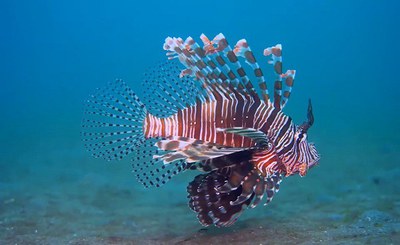
“Watch Out for the Four!”: Keep Your Eyes Open for Invasive Alien Fish in Italian Waters
Jul 14, 2026Fishermen, divers, and anyone who has observed or caught a lionfish or any of the other three potentially dangerous tropical species—the silver-cheeked toadfish, the dusky rabbitfish, and the marbled spinefoot—in Italian waters are invited to support the “Watch Out for the Four!” awareness campaign. The campaign aims to inform the public about the presence of these invasive species in our seas and encourage the reporting of sightings.
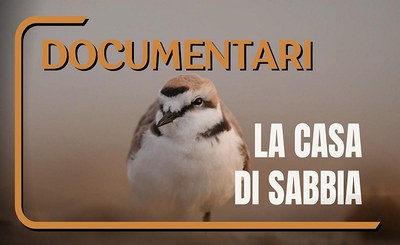
ISPRA documentary "House in the sand"
Jul 14, 2026Do you know the Kentish Plover? Did you know that you might see it on the beach in the summer? Unfortunately, it is currently one of the most threatened coastal nesting species. Most breeding populations in Europe are declining, sometimes dramatically as in Italy, due to disturbance from human activities, predation by invasive species and habitat loss and degradation. The documentary "House in the sand" describes the monitoring and scientific research activities carried out by ISPRA, in collaboration with local ringers, the local branches of the National Committee for the Conservation of the Kentish Plover and the General Command of the Carabinieri.
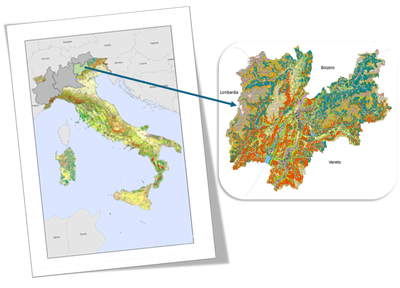
Nature Map of the Province of Trento Now Available
Jul 13, 2026ISPRA has released the Nature Map (Carta della Natura) for the Province of Trento, expanding the national system used to assess and monitor Italy's ecosystems and habitats. The map provides detailed information on habitat distribution, ecological value and environmental vulnerability, supporting land-use planning, biodiversity conservation and environmental assessments. It is the result of a collaboration between ISPRA and the Autonomous Province of Trento and represents an important tool for public authorities, researchers and environmental managers to promote sustainable territorial planning and protect natural capita
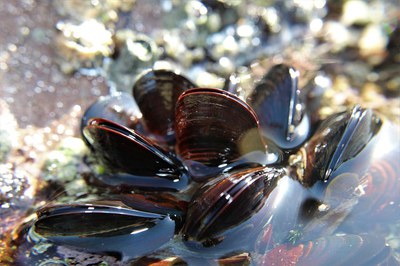
Climate change and ocean acidification outweigh local stressors in Mediterranean mussels: A multi-method convergence analysis
Jul 09, 2026Published in the prestigious journal Environmental Pollution and co-authored by ISPRA researchers, the study "Climate Change and Ocean Acidification Outweigh Local Stressors in Mediterranean Mussels: A Multi-Method Convergence Analysis" presents the results of a ten-year biomonitoring programme (2014–2023) carried out in the Ligurian Sea.
The research focused on the Mediterranean mussel (Mytilus galloprovincialis) at Gorgona Island (used as the reference site) and near an offshore regasification terminal. By integrating biomarker data, tissue metal concentrations, and high-resolution oceanographic variables, the study quantified the relative contribution of different environmental stressors affecting mussel health using five complementary statistical approaches.
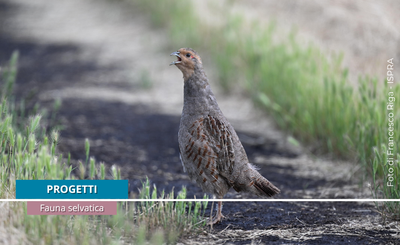
Will the Italian Grey Partridge Fly Again in the Mezzano Valley?
Jul 06, 2026The Italian Grey Partridge (Perdix perdix italica) is a medium-sized, resident galliform bird that spends most of its time on the ground. Historically associated with open rural landscapes and the traditional agricultural ecosystems of the Italian Peninsula, this endemic subspecies suffered a dramatic decline throughout the twentieth century due to habitat fragmentation, agricultural intensification, and hunting pressure, eventually being officially declared extinct in the wild. The only remaining genetically pure individuals were preserved within a single historic breeding line maintained in northern Italy.
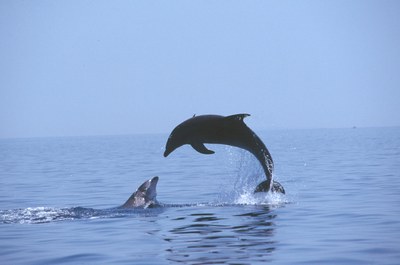
ISPRA's Contribution to the Third Edition of the United Nations "World Ocean Assessment"
Jul 03, 2026The third edition of the World Ocean Assessment (WOA) has recently been released. Spanning more than 1,300 pages, the report is the result of five years of work by around 600 international scientists. It provides a comprehensive assessment of the growing impacts of climate change, pollution, and overfishing on the world's oceans, which cover more than 70% of the Earth's surface.
Presentation of the "Guidelines for Urban Nature Plans"
Jul 02, 2026 10:00 AM — Jul 02, 2026 01:00 PM Sala del Carroccio, Palazzo Senatorio Piazza del Campidoglio, RomaThe Guidelines for Urban Nature Plans, developed within the framework of the National Biodiversity Future Center, aim to support public authorities, technical experts, and planners in integrating biodiversity into urban planning policies and tools.
The meeting will provide an overview of the Urban Nature Plan as a new strategic tool promoted by the European Union to strengthen the climate resilience of cities.
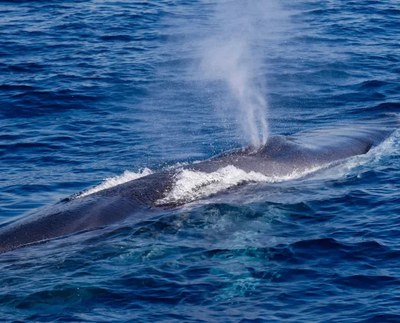
SYNFONY 2026 First Survey: An Outstanding Start Across the Mediterranean
Jun 30, 2026The first survey of SYNFONY 2026 – Synoptic Ferry Observation Network, a new Mediterranean monitoring initiative built on the legacy of the LIFE CONCEPTU MARIS project and the long-standing experience of the FLT Med Net network – has provided a highly encouraging snapshot of marine biodiversity across the Mediterranean Sea. Research teams documented an extraordinary diversity of cetaceans, sea turtles, sharks, rays and seabirds along numerous ferry routes.
Biodiversamente: Discover Wildlife Through New Eyes
Jun 23, 2026As part of the Environmental Education and Sustainability Initiatives Program 2025/26, more than 100 students from two schools in the province of Bologna had the opportunity, between April and May, to experience firsthand what it means to study wildlife for management and conservation purposes. They took part in activities simulating the monitoring and field identification of terrestrial mammals and explored conservation genetics laboratories to discover how DNA analysis can contribute to understanding and protecting wild populations.
Over 100 Golani Sardines Caught off Lampedusa
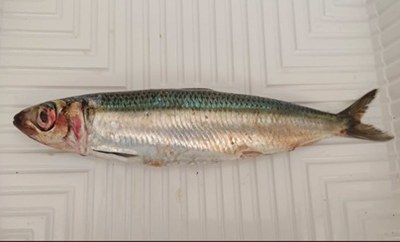
Jun 22, 2026More than 100 specimens of the Golani sardine (Etrumeus golanii), a species native to the Red Sea, were caught by fishermen from Lampedusa during an anchovy fishing trip.
The species was first reported in Italian waters by ISPRA in 2006, following the capture of a specimen off the Island of Lampedusa in September 2005, with only sporadic catches recorded in subsequent years.
This remarkable catch confirms the widespread presence of this alien species in the Strait of Sicily. The specimens were handed over to ISPRA researchers working on the island for scientific research and will be analyzed in the laboratory.
The role of fishermen continues to be of great importance in monitoring alien and rare species in our seas.
JoNeF Report 2025 at the IMPEL General Assembly
Jun 17, 2026The IMPEL General Assembly has approved the JoNeF 2025 Report, Bridging the Gaps: Fungal Information Systems across Europe. Mapping national fungal databases and their integration potential.
The report represents the first outcome of the second JoNeF cycle (2025–2027) and provides an updated overview of fungal information systems and databases across Europe, examining their governance, interoperability, accessibility and integration potential within national and international biodiversity infrastructures.
Food, Biodiversity and Desertification
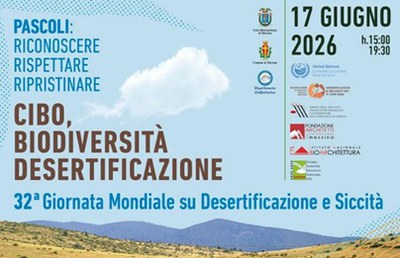
Jun 17, 2026 03:00 PM — Jun 17, 2026 07:30 PM MessinaOn the occasion of the World Day to Combat Desertification and Drought, the Order of Architects, Planners, Landscape Architects and Conservators of the Province of Messina and the Mediterranean Architects Foundation of Messina, under the patronage of the National Institute of Bioarchitecture and in collaboration with Assocea Messina, are organizing a training event entitled: “Food, Biodiversity and Desertification”.
The event will address issues related to the relationship between climate change, biodiversity conservation, sustainable food systems, and the risk of desertification, with contributions from experts in research, technical professions, and public institutions.
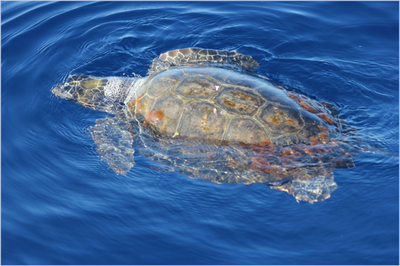
From the Nest on the Beach to the Open Sea: The Hidden Journey of Mediterranean Sea Turtles
Jun 08, 2026Every summer, more and more people have the chance to see Caretta caretta sea turtles on Mediterranean beaches, thanks to nest monitoring and protection activities. But the big question is: where do they go when they disappear back into the sea?
For the first time at a Mediterranean-wide scale, researchers from the Life Conceptu Maris project have reconstructed the “hidden” marine life of these turtles across three stages of growth, showing that they do not all live in the same places or in the same way. On the contrary, their habitat changes with age, from young individuals to adults, almost as if they follow different pathways through the ocean.
Prenestini Bioblitz – Mapping the Biodiversity of the Monte Guadagnolo SAC
Jun 06, 2026 — Jun 07, 2026 Guadagnolo (Roma)As part of the initiative “25 Years Together for Biodiversity” promoted by the Museo Civico Naturalistico dei Monti Prenestini on the occasion of the 25th anniversary of its activities, the bioblitz “Discovering the Biodiversity of the Monti Prenestini” will begin on June 6, 2026, at 6:00 p.m. and will conclude at 6:00 p.m. on the following day.
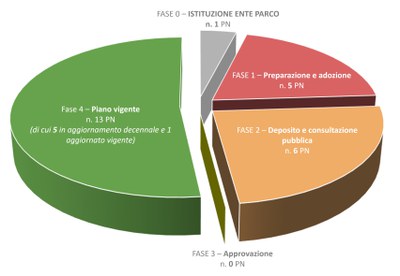
National Parks Management Plan Status Repository Updated as of 31 March 2026
Jun 04, 2026The National Park Management Plan (Piano per il Parco) is the planning instrument through which a Park Authority pursues the protection of “natural and environmental values, as well as historical, cultural, and traditional anthropological heritage.”
Through maps, diagrams, and official documents issued by the competent authorities (the State, Regions, and Park Authorities), as well as the contents of the Italian Court of Auditors’ Determination No. 13 of 13 February 2025, “Determination and Report on the Results of the Financial Management Audit of the 23 National Park Authorities” relating to the 2023 financial year, the Repository provides an overview of the current planning status of the 25 National Parks currently established in Italy.
For each National Park, users can identify the exact stage reached in the plan approval process and consult the most recent official document associated with that stage.
Green&Blue Festival 2026
Jun 04, 2026 — Jun 06, 2026 MilanoThe Green&Blue Festival 2026 will be held in Milan from June 4 to 6, 2026, at the Leonardo da Vinci National Museum of Science and Technology. The event, focusing on sustainability and climate, will include three days of meetings, performances, and discussions with international experts.
The theme chosen for this edition is "We focusing on everyone's active role in building a sustainable world".
European Day of Parks 2026
May 24, 2026 — May 24, 2026Healthy ecosystems do not exist in isolation: they thrive only when ecological connections are active — biological corridors, connected habitats, and landscapes that allow species to move, adapt, and flourish.
These connections often extend beyond the boundaries of any single Protected Area. To nurture nature, we must think beyond borders, restore links, build ecological networks, and create partnerships that bring together people, communities, and nature.
For this reason, the slogan of the 2026 Parks Day is “United by Nature.”
The European Day of Parks, celebrated on May 24, is a commemorative day dedicated to protected areas throughout Europe, established in 1999 by the EUROPARC Federation
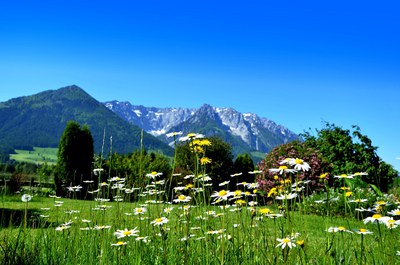
World Biodiversity Day 2026
May 22, 2026 — May 22, 2026May 22 is World Biodiversity Day, established by the United Nations to celebrate biodiversity—the richness of life at the level of ecosystems, species, and genes—on our planet.
The date of May 22 was chosen by the United Nations in 2000 to commemorate the official adoption of the text of the Convention on Biological Diversity, which took place in Nairobi on May 22, 1992.
The Convention on Biological Diversity pursues three main objectives: the conservation of biological diversity; the sustainable use of its components; and the fair and equitable sharing of the benefits arising from the use of these genetic resources, especially in cases of economic exploitation.

World Bee Day 2026
May 20, 2026 — May 20, 2026Pollinating insects play vital ecological roles that support global biodiversity, food security, and ecosystem balance. About 90% of the world’s wild flowering plants depend on insects for pollination in order to reproduce. It is also estimated that 75% of major global crops—including vegetables, fruits, nuts, and forage—benefit from insect pollination. Beyond agriculture, pollinators indirectly contribute to climate change mitigation by supporting the health of forests and natural ecosystems, which are essential for CO₂ absorption.
The status of pollinator populations in Italy is considered critical, reflecting the broader negative trend across Europe.
- Species at risk: around 22% of the 151 assessed native bee species are threatened with extinction.
- Main causes: habitat fragmentation, intensive agriculture, widespread pesticide use, and increasing pressure from climate change.
We all depend on pollinators. Monitoring their decline and taking action to halt biodiversity loss is essential—not only for protecting ecosystems, but also for safeguarding food systems and environmental stability.
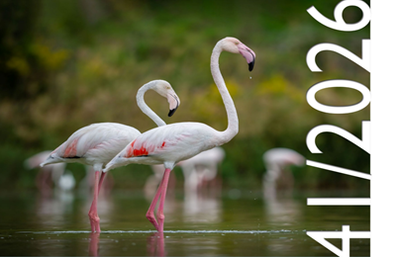
The new issue of RETICULA, ISPRA’s technical-scientific journal, is now online
May 19, 2026The issue 41 of RETICULA, the technical-scientific journal published by ISPRA and dedicated to ecological connectivity and green infrastructure in land-use and landscape planning, is now available online.
The editorial of the new issue focuses on Mediterranean wetlands, essential ecosystems for biodiversity and climate regulation, highlighting their strategic role as Nature-based Solutions.
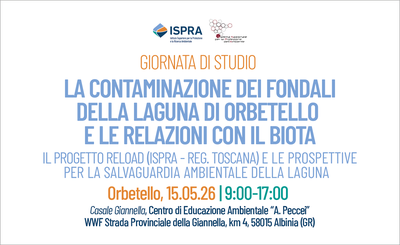
The contamination of the seabed of the Orbetello Lagoon and its relationships with biota
May 15, 2026 09:00 AM — May 15, 2026 05:00 PM Orbetello, Casale Giannella, Centro di Educazione Ambientale “A. Peccei” WWFThe RELOAD Project (ISPRA – Regione Toscana) and prospects for the environmental protection of the lagoon
On May 15, in Orbetello, ISPRA is organizing a study day entitled: “The contamination of the seabed of the Orbetello Lagoon and its relationships with biota – The RELOAD Project (ISPRA – Regione Toscana) and prospects for the environmental protection of the lagoon.”
The initiative aims to present the results of the RELOAD project, funded by Regione Toscana, and focused on defining reference values (pursuant to Director’s Decree 08.06.2016). These parameters are essential for a possible redefinition of the boundaries of the SIN (Site of National Interest) of the Orbetello Lagoon and for identifying the seabed areas considered most critical.