Istituto Superiore per la Protezione
e la Ricerca Ambientale

Cerca
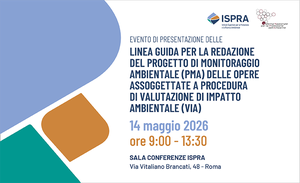
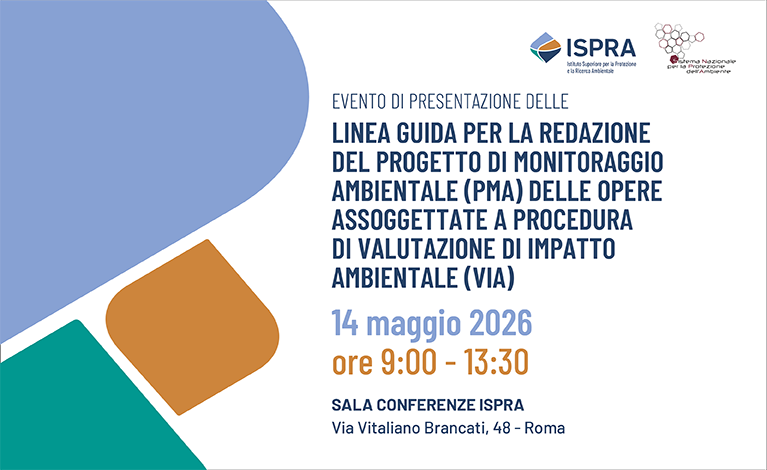
Guidelines for the Preparation of Environmental Monitoring Plans for Projects Subject to Environmental Impact Assessment Procedures
May 14, 2026 09:00 AM — May 14, 2026 01:30 PM Roma, sede ISPRA, via Vitaliano Brancati 48 e online

Within the framework of the Environmental Impact Assessment (EIA), the Environmental Monitoring Plan (EMP) provides a comprehensive overview of the environmental changes associated with the construction and operation of projects, measuring their sustainability.

The new ISPRA Guidelines provide criteria and technical contents for the preparation of EMPs, offering unified methodological and operational guidance that also enables technical harmonization across the national territory, as well as the comparison and reuse of monitoring data.
Highlight

Topics in evidence

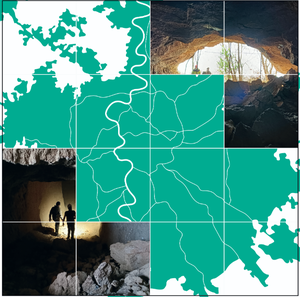
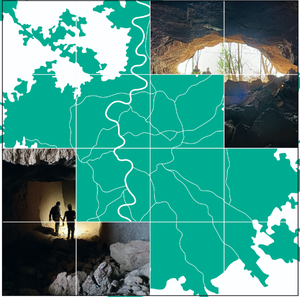
Map of Underground Cavities of Rome 2026
May 13, 2026

The Map of Underground Cavities of Rome 2026 represents a significant update to the current knowledge framework regarding the distribution of underground voids within the urban territory of Rome. The cartography was produced by integrating data from scientific literature, historical cartographic archives, institutional databases, archaeological maps, and direct investigations, enabling the mapping of the main types of underground cavities (quarries, catacombs, hypogea, hydraulic tunnels, and other underground infrastructures) as well as the development of a density map of hypogeal systems.
continue
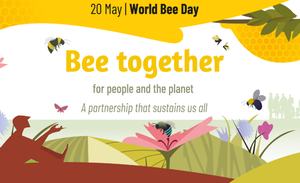
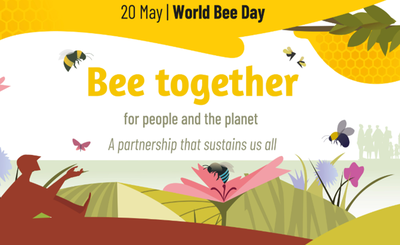
World Bee Day 2026
World Bee Day 2026
May 20, 2026 — May 20, 2026

Pollinating insects play vital ecological roles that support global biodiversity, food security, and ecosystem balance. About 90% of the world’s wild flowering plants depend on insects for pollination in order to reproduce. It is also estimated that 75% of major global crops—including vegetables, fruits, nuts, and forage—benefit from insect pollination. Beyond agriculture, pollinators indirectly contribute to climate change mitigation by supporting the health of forests and natural ecosystems, which are essential for CO₂ absorption.

The status of pollinator populations in Italy is considered critical, reflecting the broader negative trend across Europe.

  • Species at risk: around 22% of the 151 assessed native bee species are threatened with extinction.
  • Main causes: habitat fragmentation, intensive agriculture, widespread pesticide use, and increasing pressure from climate change.

We all depend on pollinators. Monitoring their decline and taking action to halt biodiversity loss is essential—not only for protecting ecosystems, but also for safeguarding food systems and environmental stability.

continue
ECOSofia – ISPRA Summer School on Environmental Ethics and Communication
Jun 09, 2026 — Jun 12, 2026 Perugia – Galleria nazionale dell’Umbria

Poets, philosophers, theologians, artists: they will be the lecturers of the EcoSofia summer school dedicated to environmental humanities, organized by the School of Specialization in Environmental Disciplines (SSDA) of ISPRA and also supported by the MIMIT as part of the “Facciamo Circolare/2” campaign.

EcoSofia was created with a clear goal: to unite scientific and humanistic disciplines, which must necessarily engage in dialogue and work together for the “ecological and spiritual” evolution of human beings—without which genuine respect for the environment cannot exist.

continue
All ISPRA Events All News

May

May