
Events and News
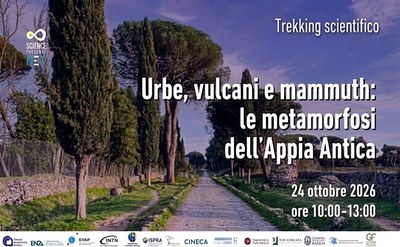
Rome, Volcanoes and Mammoths: The Transformations of the Ancient Appian Way
Oct 24, 2026 10:00 AM — Oct 24, 2026 01:00 PM Parco Archeologico dell’Appia Antica - RomeThe Ancient Appian Way, one of the world’s most fascinating archaeological parks and, since a year ago, a UNESCO World Heritage Site, will be at the heart of a guided trek led by researchers from ISPRA (the Italian Institute for Environmental Protection and Research). The transformation of the landscape will be explored through the lenses of zoology, geology and urban planning, highlighting the many different perspectives through which the history of the Regina Viarum can be interpreted.
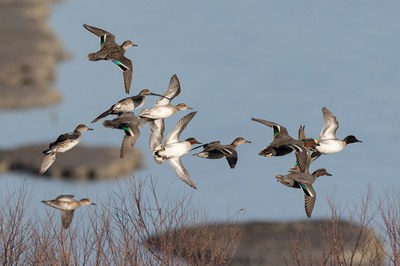
World Migratory Bird Day: “Every Sighting Counts”
Oct 08, 2026Italy at the Heart of Migration Routes through Citizen Science and the AEWA Agreement
On the occasion of the autumn observance of World Migratory Bird Day, the Ministry of the Environment and Energy Security (MASE) and ISPRA invite citizens to become active participants in scientific research.
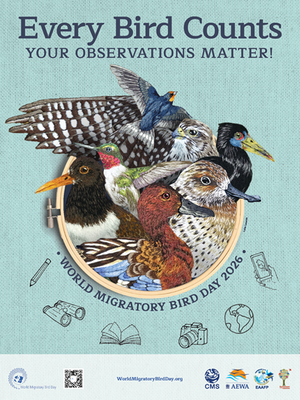
Saturday, October 10, 2026, marks the autumn observance of World Migratory Bird Day, the global campaign promoted by the United Nations environmental treaties CMS (Convention on Migratory Species) and AEWA (Agreement on the Conservation of African-Eurasian Migratory Waterbirds), together with Environment for the Americas (EFTA) and the East Asian-Australasian Flyway Partnership (EAAFP).
The official 2026 theme, “Every Bird Counts – Your Observations Matter!” (“Every Bird Counts – Your Observations Matter!”), highlights the invaluable contribution of Citizen Science (public participation in scientific research). From observations in urban parks to wetland monitoring, data collected by enthusiasts, volunteers and birdwatchers around the world are transformed into essential scientific tools for protecting global biodiversity.
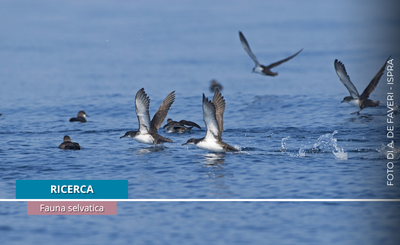
Following Seabird Routes for the Future of High Seas Protected Areas
Oct 07, 2026A study of 13,000 seabirds in the Atlantic and Mediterranean provides scientific guidance for expanding protection to at least 30% of the planet’s marine surface by 2030
The expansion of Marine Protected Areas (MPAs) is one of the cornerstones of international efforts to halt the loss of biodiversity caused by human activities. The global Kunming-Montreal Agreement aims to protect at least 30% of the world’s marine surface by 2030, an objective incorporated at the European level into the EU Biodiversity Strategy for 2030 and into the National Biodiversity Strategy for 2030.
However, around 60% of the oceans consists of the High Seas: international waters extending beyond 200 nautical miles from the coast, which for a long time remained without effective shared protection. This gap was finally addressed with the entry into force, in early 2026, of the landmark UN High Seas Treaty (BBNJ Agreement), which finally provides a binding legal framework for establishing marine reserves in waters beyond national jurisdiction.
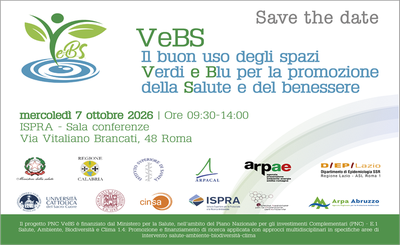
The Effective Use of Green and Blue Spaces to Promote Health and Well-Being: The Role of Stakeholders
Oct 07, 2026 09:30 AM — Oct 07, 2026 02:00 PMA project funded by the Italian Ministry of Health’s National Complementary Plan: “Well-Designed and Well-Managed Green and Blue Spaces to Improve Health and Well-Being: Scientific Evidence and Green Prescriptions”
The PNC research project “The Effective Use of Green and Blue Spaces to Promote Health and Well-Being”, funded by the Italian Ministry of Health, was launched in 2023 and will run through 2026.
On 7 October 2026 in Rome, at the ISPRA Conference Room, as part of the project’s events for disseminating its results, some of the outputs produced as part of the project will be presented.

Habitat is not just a home for humans, but a dwelling place for all species
Oct 05, 2026The UN World Habitat Day, celebrated this year on October 5, was established to reflect on the urban environments in which we live. But science teaches us that there is no boundary between our home and that of nature. Protecting the human habitat means, first and foremost, safeguarding the ecosystem that sustains all forms of life.
For this reason, today we are launching the second episode of our documentary series dedicated to biodiversity monitoring. The series was produced with funding from the National Recovery and Resilience Plan (PNRR), as part of the DigitAP project, promoted and implemented by the Italian Ministry of Environment and Energy Security (MASE), with the support of ISPRA and funding from the European Union – NextGenerationEU. ISPRA played a leading role in the project’s scientific direction.

The Selva del Lamone Nature Reserve: An Ecosystem Shaped by Volcanism
Oct 03, 2026 10:30 AM — Oct 03, 2026 04:30 PM Riserva Naturale Regionale Selva del Lamone, Località Roppozzo, Farnese (VT)The excursion is organized by ISPRA as part of the 14th edition of Earth Science Week
This 6.5-km circular trail runs through the Selva del Lamone Regional Nature Reserve, following mule tracks that border volcanic outcrops colonized by vegetation.
The Reserve is an important biotope established on a basaltic lava flow belonging to the Vulsini Volcanic Complex, which was emplaced approximately 100,000 years ago, followed by cooling and subsequent fragmentation. This process gave rise to the frasfuni, a chaotic expanse of basaltic blocks, the most famous of which is known as Rosa Crepante.
Citizen Science at the Aniene Valley Nature Reserve
Oct 03, 2026 09:30 AM — Oct 03, 2026 12:30 PMAs part of the 2026 edition of Urban Nature, an initiative promoted by WWF to raise awareness of the importance, value and care of nature in urban areas, the National Biodiversity Network of ISPRA, in collaboration with the Insieme per l’Aniene Association, is organizing a meeting between experts and citizens on 3 October at the Aniene Valley Nature Reserve.
The initiative includes an approximately three-hour walk to discover the flora and fauna of the protected area, with particular attention to the characteristics of its ecosystems, including the riparian vegetation along the course of the Aniene River
National Nature Restoration Plan. ISPRA: New Opportunities for Territories, Communities and the Economy
Sep 28, 2026“Not a Plan of Restrictions, but a major project for the country. Nature conservation must go hand in hand with development, supported by science, participation, and a strong alliance among institutions, local communities, businesses and citizens".
With these words, Maria Alessandra Gallone, President of ISPRA and the SNPA, expresses, on behalf of the Institute, her satisfaction at the Ministry of Environment and Energy Security (MASE) giving the green light for the draft National Nature Restoration Plan to be submitted to the European Commission. ISPRA provided extensive technical and scientific support in preparing the Plan, working closely with MASE and the Ministry of Agriculture, Food Sovereignty and Forestry (MASAF), and in cooperation with the Council for Agricultural Research and Analysis of Agricultural Economics (CREA).
This was a complex and wide-ranging team effort, launched in September 2025, involving the entire Institute. It supported the development of the Plan through scientific analyses, assessment of measures, identification of knowledge gaps, support for central and regional administrations, and dialogue with European institutions. The draft prepared for submission to the European Commission now includes 2,078 restoration measures, the outcome of a process that has been progressively strengthened through public consultation and dialogue with stakeholders.
“The National Nature Restoration Plan,” President Gallone continues, “represents a major opportunity for Italy. We must explain it and, above all, implement it for what it can genuinely become: not a set of restrictions imposed without consultation, but a project to regenerate our natural heritage and, at the same time, our territories, economies and communities. Restoring nature means investing in the future. Sustainability is meaningful when it integrates environmental, economic and social dimensions, placing people and their needs at the centre. The extensive work carried out by the Institute so far is certainly not an end point, but an ongoing process that continues today and into the future.”
For ISPRA, it will be essential for the implementation phase to continue following the same approach of dialogue and participation that accompanied the preparation of the Plan. The public consultation was followed by meetings with environmental organisations, representatives of the fisheries, agricultural and forestry sectors, hunting associations, stakeholders working in urban environments, and the National Association of Italian Municipalities (ANCI).
“This,” Gallone continues, “is the approach we must continue to follow: a strong alliance for nature and sustainable development. The State, Regions, Municipalities, the National System for Environmental Protection, the scientific and research community, businesses, farmers, fishermen, associations and citizens must all play an active role in a shared process. The transition works when no one is left on the sidelines and when scientific knowledge becomes a practical tool to support decision-making".
This vision is further reinforced by the words of President of the Republic Sergio Mattarella on the occasion of Terra Madre, when he referred to biodiversity as an asset that protects human health and as a responsibility requiring public participation and institutional action. “President Mattarella’s words,” President Gallone concludes, “once again point us in a clear direction: the environment, biodiversity, people and development do not belong to separate worlds. They are all part of the same future. Nature restoration must not mean bringing territories to a standstill, but helping them evolve in a better way – making them safer, more attractive and capable of generating new economic opportunities and employment.”
ISPRA will continue to make its scientific expertise, data, platforms and knowledge of the territory available to MASE, MASAF and the institutional system as a whole, supporting the subsequent phases of the Plan within the scope of its responsibilities".
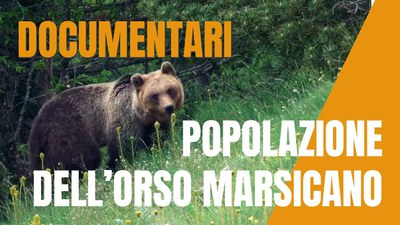
Documentary: "Marsican Brown Bear Population Estimate"
Sep 22, 2026This documentary shines a spotlight on one of the rarest and most fascinating animals in Italy: the Marsican brown bear, a unique subspecies found nowhere else in the world and now at risk of extinction.
Through exclusive footage and first-hand testimonies from the field, we explore the life of this extraordinary bear, which has found its last refuge among the mountains of the central Apennines.
This is not merely the story of a species, but also a profound reflection on the delicate balance between humans and wildlife.

The Nature of the Democratic City
Sep 21, 2026 09:30 AM — Sep 21, 2026 06:30 PM Rome, Villa Mirafiori, via Carlo Fea, 2 and onlineThe meeting "The Nature of the Democratic City" will take place on Monday, September 21, 2026, at 9:30 AM in Room VI of the Department of Philosophy at Sapienza University.
The event will provide an opportunity to develop an interdisciplinary reflection—spanning ecology, urban planning, and philosophy—on the relationships between humans, non-humans, and the environment within urban life in the Anthropocene.
29th International Conference on Bear Research and Management
Sep 20, 2026 — Sep 25, 2026 PescasseroliConnecting science, practice and community engagement for human–bear coexistence
The 29th International Conference on Bear Research and Management will be held in Pescasseroli from 20 to 25 September 2026. This leading international event will take place in the heart of the Central Apennines, home to the Marsican brown bear, a critically endangered species.
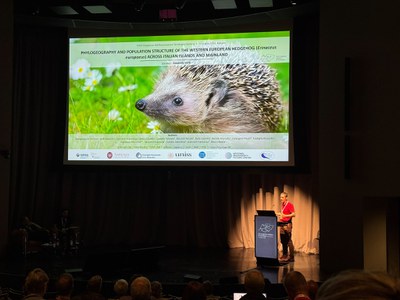
New Study on the Genetic Diversity of the European Hedgehog in Italy
Sep 17, 2026A new study published in the journal Mammalian Biology analyzes the genetic structure and evolutionary history of the European hedgehog (Erinaceus europaeus) in Italy, integrating for the first time data from populations distributed across the entire Italian Peninsula, northeastern Italy, and the country’s main islands.
The research, coordinated by ISPRA researchers and conducted in collaboration with the National Research Council (CNR), IZS Sicilia, the NBCF in Palermo, the Universities of Rome La Sapienza and Sassari, and the Tuscan Archipelago National Park, examined more than 200 samples, using genetic analysis to reconstruct the genetic relationships among the different populations.
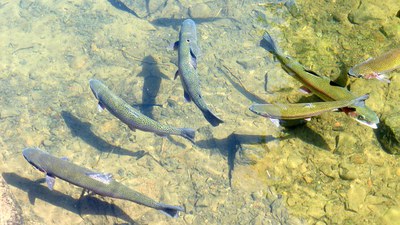
Environmental training course: "Protect habitats and river species"
Sep 15, 2026 — Oct 15, 2026The training program, developed and implemented as part of the LIFE STREAMS project, aims to disseminate and promote a common, shared understanding regarding the proper management and conservation of Mediterranean trout populations and habitats, based on the guidelines developed within the project itself.
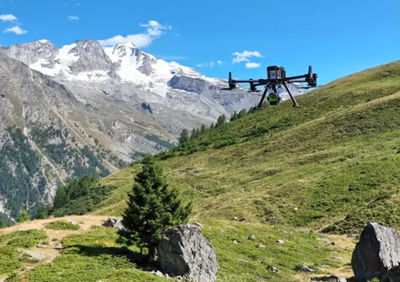
ISPRA’s first documentary series on biodiversity monitoring
Sep 12, 2026Technology meets nature in the first documentary series on biodiversity monitoring that ISPRA will release on its YouTube channel. This initiative was developed as part of the DigitAP project—Digitization of Protected Areas—promoted and implemented by MASE with support from ISPRA and funded by the European Union (NextGenerationEU).
Terrestrial laser scanners, drones, camera traps, bioacoustics, genomics, and eDNA: we take you into the field to show you up close how we monitor our country's biodiversity.
Watch the preview trailer!
On September 21, ISPRA has published the first documentary in the series dedicated to estimating the Marsican brown bear population.
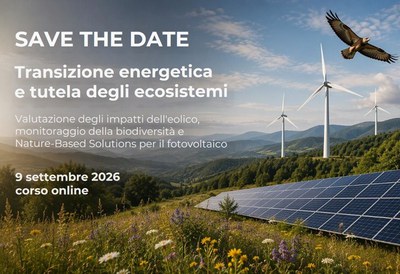
Energy Transition and Ecosystem Protection: Assessing the Impacts of Wind Energy, Biodiversity Monitoring, and Nature-Based Solutions for Solar Photovoltaics
Sep 09, 2026 — Sep 09, 2026 WebinarThe course, organized by the Emilia-Romagna Region – Protected Areas, Forests and Mountain Areas Development Department as part of the European LIFE NatConnect2030 project, is aimed at technical and administrative staff of public authorities, managers of protected areas and Natura 2000 sites, environmental professionals and consultants, and researchers.
The initiative will explore the application of the Appropriate Assessment (AA) procedure to wind energy projects, biodiversity monitoring, and the role of Nature-Based Solutions (NbS) in the design and management of ground-mounted photovoltaic systems. Particular attention will be given to ecosystem conservation and the protection of the Natura 2000 network.
Coesistenza Festival 2026
Sep 04, 2026 — Sep 06, 2026 Monte Bondone, TrentoFrom 4 to 6 September 2026, the Coesistenza Festival will take place: three days of talks, performances, excursions, film screenings and workshops dedicated to coexistence between humans and nature.
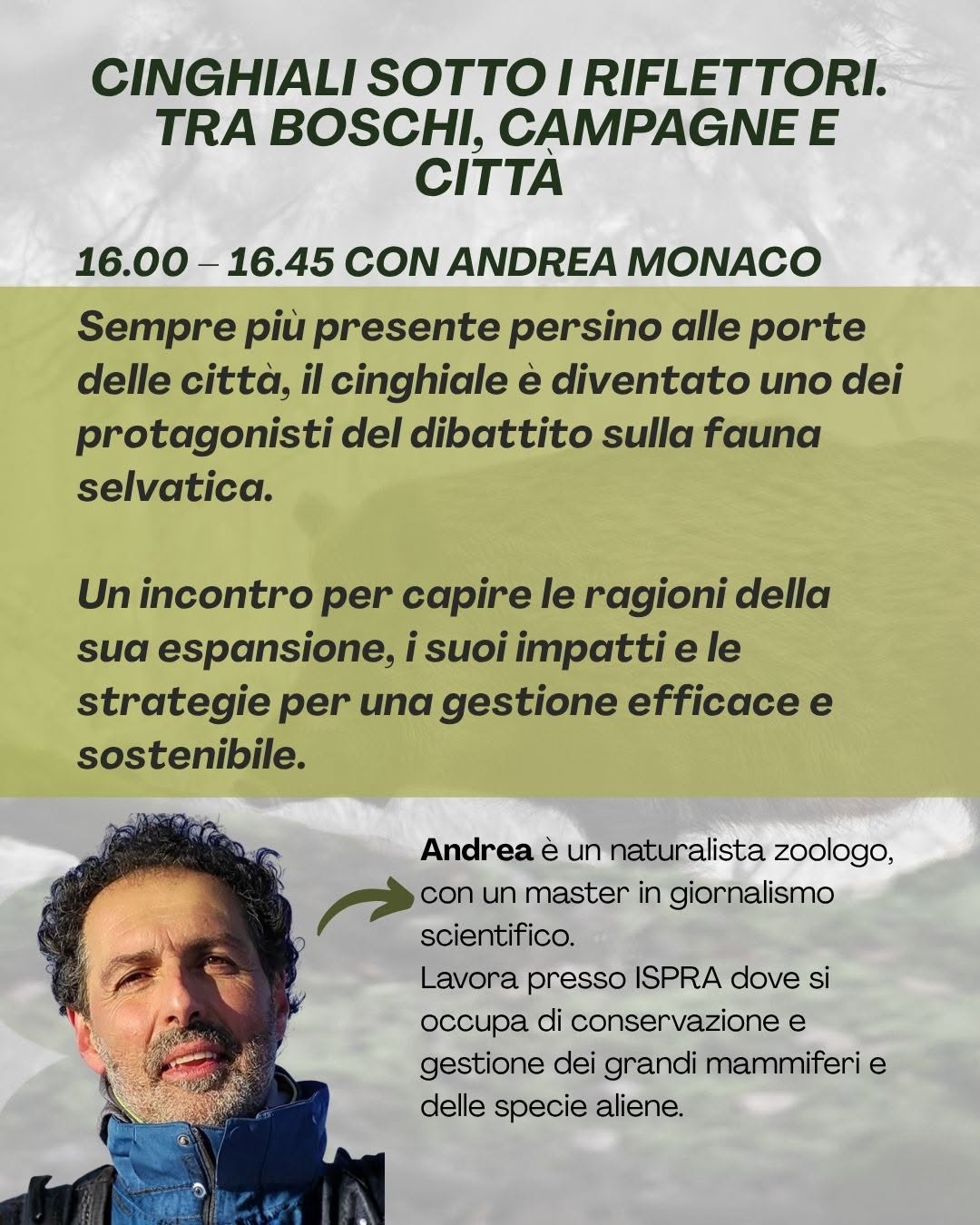
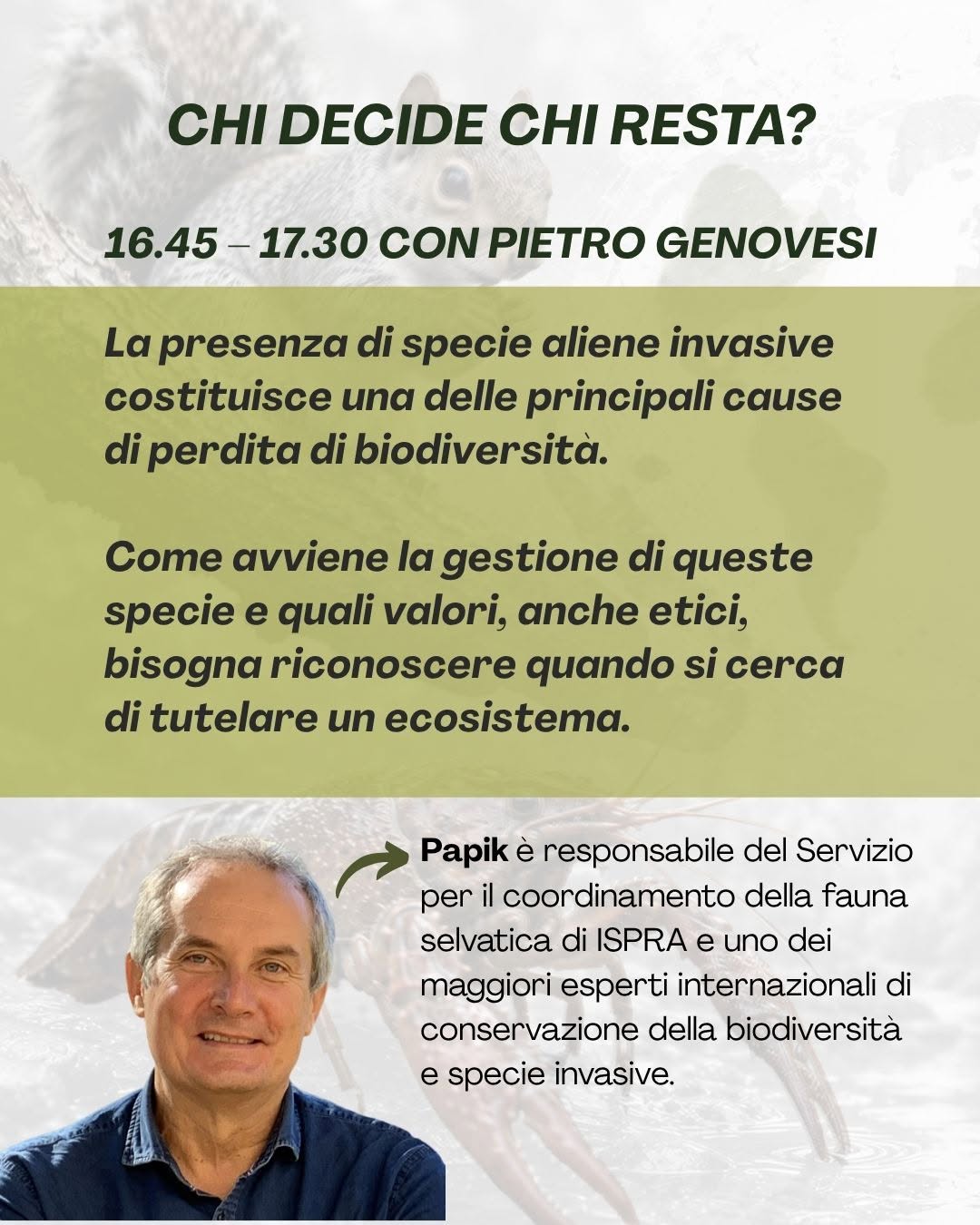
On 4 September, ISPRA researchers Piero Genovesi and Andrea Monaco will take part in the scientific talks:
Wild Boars in the Spotlight: Between Forests, Countryside and Cities
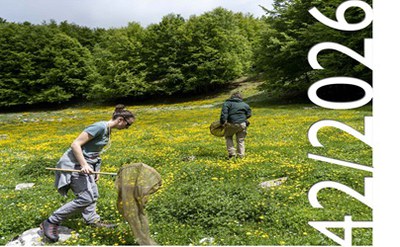
Issue 42 of RETICULA is now online
Sep 02, 2026Issue 42 of RETICULA is now available online, the ISPRA technical and scientific journal dedicated to ecological connectivity, green infrastructure, and spatial and landscape planning.
The editorial opens with a reflection on wind power repowering and the upgrading of already developed sites, identified as important steps in the energy transition process.
This issue also features an in-depth look at the path towards the National Ecological Network: from the 2003 APAT Guidelines on Ecological Networks in Italy’s Regions and Autonomous Provinces to ISPRA Report 423/2025, the article explores the evolution of ecological networks and their role in implementing the National Biodiversity Strategy to 2030.
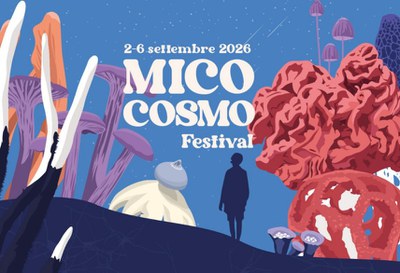
MicoCosmo Festival 2026
Sep 02, 2026 — Sep 06, 2026 Cevo (BS)The third edition of the MicoCosmo Festival—an Italian mycology event dedicated to giving a voice to the diverse facets of this world—will take place in Cevo (Brescia) from September 2 to 6.
The Meet Fungi project, of which ISPRA is a partner, will participate in the event to showcase its activities and objectives, promoting the monitoring of fungal biodiversity, the collection and sharing of mycological data, and the value of fungi for forest ecosystem conservation.
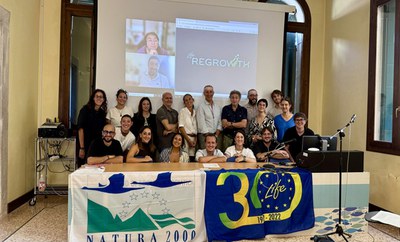
The LIFE REGROWTH Project Gets Underway to Restore the Venice Lagoon Ecosystem
Aug 31, 2026 — Aug 31, 2026 ChioggiaThe European LIFE REGROWTH project (Restoration of Habitat 1150 through the reintroduction of aquatic angiosperms in choked shallow waters of the central-southern basins of the Venice Lagoon) has officially launched. This major ecosystem restoration initiative aims to restore biodiversity and strengthen the resilience of the central-southern areas of the Venice Lagoon.*
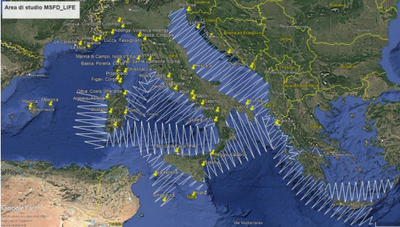
ISPRA Conducts Cetacean Monitoring under the Marine Strategy Framework Directive and the LIFE MareNatura Project
Jul 27, 2026The first survey session of ISPRA’s aerial monitoring activities carried out under the Marine Strategy Framework Directive (MSFD) and the LIFE MareNatura project has been successfully completed. These aerial surveys are aimed at estimating the population size of cetacean species inhabiting the seas surrounding Italy and the Ionian Sea.
The monitoring activities conducted by ISPRA under the MSFD constitute Italy’s official national cetacean monitoring programme. Together with the activities carried out within the LIFE MareNatura project, they represent Italy’s contribution to the international commitments undertaken within the framework of ACCOBAMS (the Agreement on the Conservation of Cetaceans of the Black Sea, Mediterranean Sea and Contiguous Atlantic Area), while also contributing to the broader ACCOBAMS Survey Initiative (ASI).
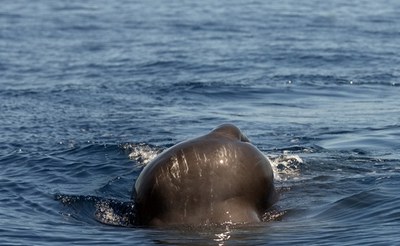
A New Key Area for Sperm Whales in the Aegean Sea
Jul 27, 2026An important achievement resulting from ISPRA’s activities within the LIFE MARENATURA project, which dedicates one of its Work Packages to studying the habitat use of the sperm whale (Physeter macrocephalus).
In May 2026, aboard the research vessel Artina operated by Nature Conservation Consultants (NCC), ISPRA, with the support of the CIMA Research Foundation, coordinated a field campaign to deploy SPOT-365 satellite tags. Thanks to the outstanding joint efforts of the LIFE MARENATURA project partners, more than 80 hours of observation were carried out during just 10 days of surveys, leading to the sighting of three adult male sperm whales.
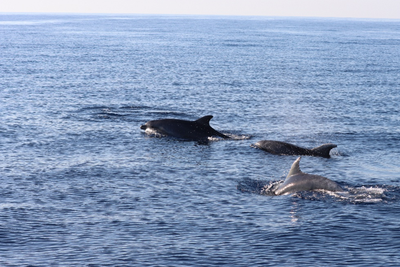
Beyond the coast: bottlenose dolphins follow the rhythm of the seasons in the Mediterranean
Jul 27, 2026The sea is a complex environment, and to better understand it we often rely on categories that help describe it, such as distinguishing coastal waters from the open sea. While these distinctions are useful, nature rarely follows such clear-cut boundaries. The common bottlenose dolphin (Tursiops truncatus), widely regarded as the quintessential coastal dolphin, is a perfect example.
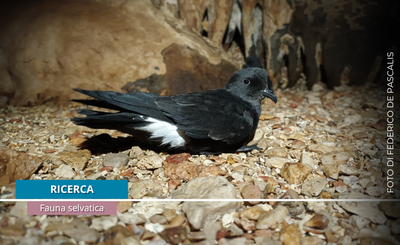
Storm Petrels and the Challenge of Crosswinds
Jul 26, 2026An international study coordinated by ISPRA researchers has uncovered a remarkable flight strategy adopted by the Mediterranean storm petrel (Hydrobates pelagicus melitensis), the smallest seabird in the Mediterranean. During the breeding season, these tiny birds undertake long foraging trips over the open sea while their partners remain at the nest incubating the egg. As timing is crucial for reproductive success, finding food efficiently is essential.
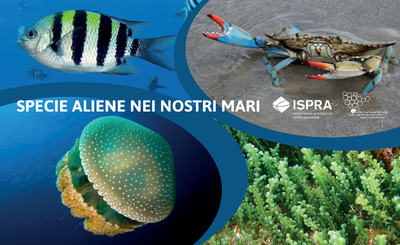
Alien Species in Our Seas
Jul 26, 2026The Mediterranean Sea is becoming increasingly populated by alien species introduced through human activities such as maritime shipping, aquaculture, and the aquarium trade, as well as through artificial waterways like the Suez Canal. It is also receiving species that are expanding their natural range and entering through natural corridors such as the Strait of Gibraltar. Climate change and environmental alterations facilitate the establishment of these new species, some of which can become invasive and cause significant harm to the environment, the economy, and human health.

Observe and Report Biodiversity Around You – Even While on Holiday!
Jul 14, 2026Take part in "Biodiversity in Focus", an initiative of ISPRA's National Biodiversity Network dedicated to collecting and sharing citizen observations of wildlife, plants, and natural environments.
Through its integration with the iNaturalist app, "Biodiversity in Focus" enables anyone, at any time, to share photographs of nature with the National Biodiversity Network. Whether taken by professional or amateur photographers, these images provide valuable biodiversity records and contribute to the Network's growing database of citizen-generated observations.
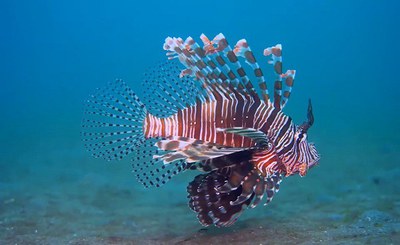
“Watch Out for the Four!”: Keep Your Eyes Open for Invasive Alien Fish in Italian Waters
Jul 14, 2026Fishermen, divers, and anyone who has observed or caught a lionfish or any of the other three potentially dangerous tropical species—the silver-cheeked toadfish, the dusky rabbitfish, and the marbled spinefoot—in Italian waters are invited to support the “Watch Out for the Four!” awareness campaign. The campaign aims to inform the public about the presence of these invasive species in our seas and encourage the reporting of sightings.
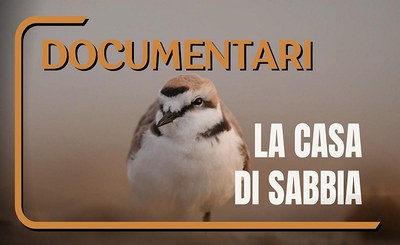
ISPRA documentary "House in the sand"
Jul 14, 2026Do you know the Kentish Plover? Did you know that you might see it on the beach in the summer? Unfortunately, it is currently one of the most threatened coastal nesting species. Most breeding populations in Europe are declining, sometimes dramatically as in Italy, due to disturbance from human activities, predation by invasive species and habitat loss and degradation. The documentary "House in the sand" describes the monitoring and scientific research activities carried out by ISPRA, in collaboration with local ringers, the local branches of the National Committee for the Conservation of the Kentish Plover and the General Command of the Carabinieri.
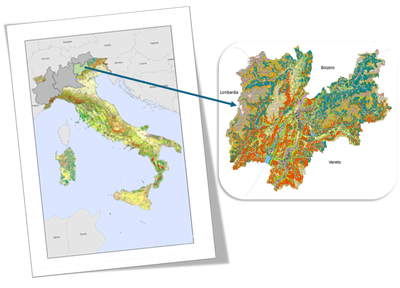
Nature Map of the Province of Trento Now Available
Jul 13, 2026ISPRA has released the Nature Map (Carta della Natura) for the Province of Trento, expanding the national system used to assess and monitor Italy's ecosystems and habitats. The map provides detailed information on habitat distribution, ecological value and environmental vulnerability, supporting land-use planning, biodiversity conservation and environmental assessments. It is the result of a collaboration between ISPRA and the Autonomous Province of Trento and represents an important tool for public authorities, researchers and environmental managers to promote sustainable territorial planning and protect natural capita
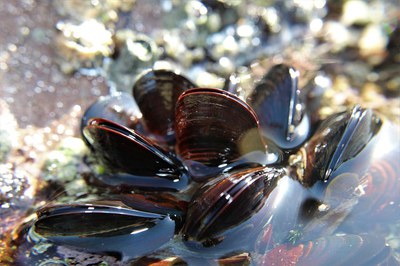
Climate change and ocean acidification outweigh local stressors in Mediterranean mussels: A multi-method convergence analysis
Jul 09, 2026Published in the prestigious journal Environmental Pollution and co-authored by ISPRA researchers, the study "Climate Change and Ocean Acidification Outweigh Local Stressors in Mediterranean Mussels: A Multi-Method Convergence Analysis" presents the results of a ten-year biomonitoring programme (2014–2023) carried out in the Ligurian Sea.
The research focused on the Mediterranean mussel (Mytilus galloprovincialis) at Gorgona Island (used as the reference site) and near an offshore regasification terminal. By integrating biomarker data, tissue metal concentrations, and high-resolution oceanographic variables, the study quantified the relative contribution of different environmental stressors affecting mussel health using five complementary statistical approaches.
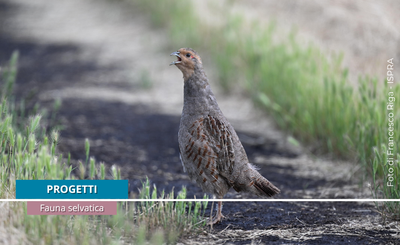
Will the Italian Grey Partridge Fly Again in the Mezzano Valley?
Jul 06, 2026The Italian Grey Partridge (Perdix perdix italica) is a medium-sized, resident galliform bird that spends most of its time on the ground. Historically associated with open rural landscapes and the traditional agricultural ecosystems of the Italian Peninsula, this endemic subspecies suffered a dramatic decline throughout the twentieth century due to habitat fragmentation, agricultural intensification, and hunting pressure, eventually being officially declared extinct in the wild. The only remaining genetically pure individuals were preserved within a single historic breeding line maintained in northern Italy.