The LIFE REGROWTH Project Gets Underway to Restore the Venice Lagoon Ecosystem
The European LIFE REGROWTH project (Restoration of Habitat 1150 through the reintroduction of aquatic angiosperms in choked shallow waters of the central-southern basins of the Venice Lagoon) has officially launched. This major ecosystem restoration initiative aims to restore biodiversity and strengthen the resilience of the central-southern areas of the Venice Lagoon.*
- https://www.isprambiente.gov.it/en/news/the-life-regrowth-project-gets-underway-to-restore-the-venice-lagoon-ecosystem
- The LIFE REGROWTH Project Gets Underway to Restore the Venice Lagoon Ecosystem
- 2026-08-31T00:00:00+02:00
- 2026-08-31T23:59:59+02:00
- The European LIFE REGROWTH project (Restoration of Habitat 1150 through the reintroduction of aquatic angiosperms in choked shallow waters of the central-southern basins of the Venice Lagoon) has officially launched. This major ecosystem restoration initiative aims to restore biodiversity and strengthen the resilience of the central-southern areas of the Venice Lagoon.*
- When Aug 31, 2026 (Europe/Berlin / UTC200)
- Where Chioggia
-
Add event to calendar
 iCal
iCal
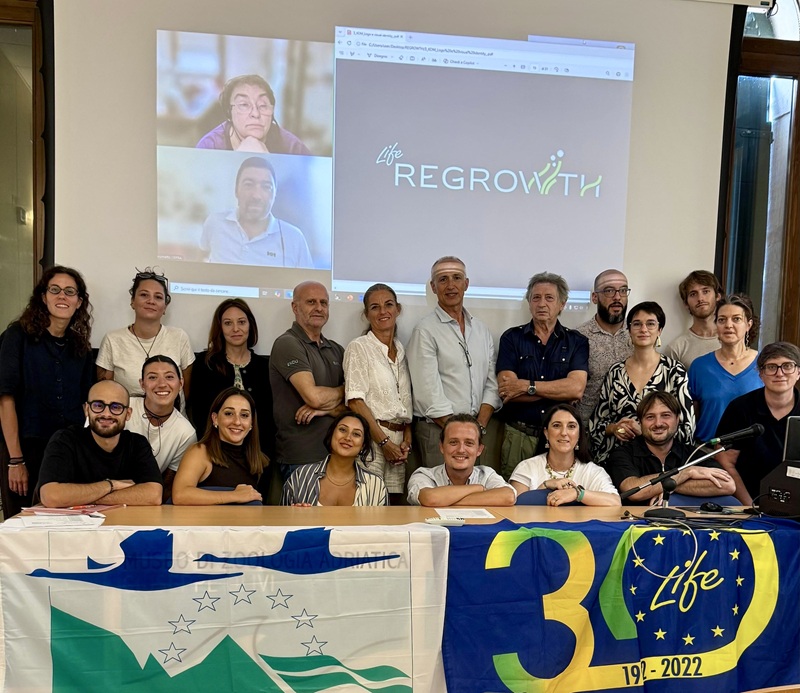
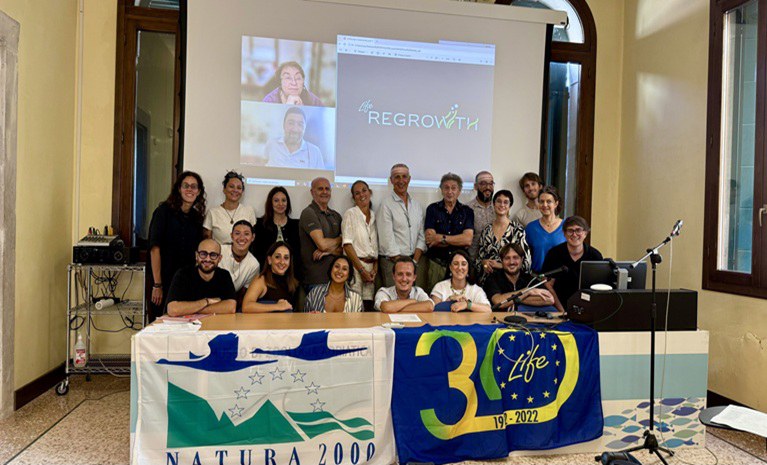
On 31 August 2026, the official kick-off meeting of the project was held at the University of Padua’s Chioggia campus. Funded by the European Union’s LIFE Programme, the project began on 1 July 2026 and will run for a total of 60 months.
The project addresses the degradation of Habitat 1150 (Coastal lagoons) in the innermost central and southern basins of the Venice Lagoon, where submerged aquatic angiosperm meadows have disappeared as a result of past eutrophication. Although nutrient loads have now decreased, existing hydromorphological barriers prevent the natural dispersal of the seeds of these valuable aquatic plants, thereby hindering their spontaneous recolonisation, particularly that of Ruppia cirrhosa.*
Building on the successful methodologies developed through previous initiatives, such as LIFE SERESTO, LIFE LAGOON REFRESH and LIFE TRANSFER, LIFE REGROWTH will take direct action through the strategic transplantation of these plants along the edges of salt marshes. The initiative will provide numerous essential ecosystem benefits:
- Restoration and enhancement of local biodiversity.
- Creation of nursery areas for fish and invertebrates.
- Improvement of feeding grounds for waterbirds.
- Stabilisation of bottom sediments.
- Increased ecosystem resilience to erosion and the pressures associated with climate change.
The project will not only restore a priority habitat under the Habitats Directive, but will also contribute directly to the objectives of the Water Framework Directive, the EU Biodiversity Strategy for 2030 and the National Restoration Plan. These actions will be supported by long-term monitoring protocols and the active involvement of local stakeholders, particularly recreational fishers.
The consortium responsible for implementing the project is coordinated by the National Inter-University Consortium for Environmental Sciences (CINSA) and brings together leading institutional and academic partners, including the Italian National Institute for Environmental Protection and Research (ISPRA), through the Tides and Lagoons Unit of the National Centre for Coastal Areas; the Delta Institute of Applied Ecology Srl (IDECO); the Venice Lagoon Authority – Nuovo Magistrato alle Acque (ALV); the University of Ferrara (UNIFE); and the University of Padua (UNIPD), through the Chioggia-based facilities of its Department of Biology, namely the “D’Ancona” Hydrobiological Station and the “Olivi” Museum of Adriatic Zoology.