Istituto Superiore per la Protezione
e la Ricerca Ambientale

Cerca
Earth Observation for Planning Urban Heat Island Mitigation Measures: Results from the MIRIFICUS Project
Jul 06, 2026 09:30 AM — Jul 06, 2026 01:00 PM Rome, ISPRA headquarter, via Vitaliano Brancati 48

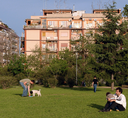
Urban heat islands are characterized by higher temperatures in cities compared to the surrounding natural areas. This temperature increase results from several factors associated with urbanization, including reduced vegetation cover, heat-generating human activities, limited natural ventilation, the use of materials that absorb and retain thermal energy, and soil sealing. To mitigate these effects, public administrations can promote measures aimed at improving the urban microclimate, reducing surface temperatures, and enhancing urban resilience, such as urban reforestation and the redevelopment of paved surfaces.
This phenomenon is increasing as a result of climate change and urban and territorial transformations, which have led to greater land consumption and the loss of vegetation.

Thanks to data acquired from the main Earth Observation satellite systems—including the medium- and high-resolution Copernicus Sentinel, NASA Landsat, and ASI PRISMA missions—the MIRIFICUS project (Monitoring Reforestation Interventions for Urban Heat Islands through Satellites) provides urban, vegetation, and thermal indicators across the entire Italian territory, with a particular focus on urban agglomerations.

One of the project’s main outcomes is the development of a Geographic Information System (WebGIS) based on interactive maps, enabling different stakeholders—from citizens to territorial planners and managers—to access and consult relevant data and information. The system offers a particularly valuable tool for public decision-makers and local administrators.

Project activities included two case studies in the cities of Florence and Rome, where the effectiveness of two hypothetical urban reforestation interventions in mitigating the effects of intra-urban thermal anomalies was assessed through an ex-post comparison of the modeled interventions.

The event will present the results of thermal anomaly monitoring conducted during the summer months (June–August) over the period 2013–2023 in the regional capitals analyzed, and will illustrate how to access and consult the information system developed within the project.

The meeting, which will take place on 6 July at ISPRA headquarters, is intended for public administrators, researchers, and experts in environmental data governance and sharing. It is also open to citizens, associations, and anyone interested in urban sustainability issues.

The program includes a discussion session between speakers and participants, aimed at fostering the exchange of experiences and best practices to support initiatives designed to counter the urban heat island phenomenon.

The MIRIFICUS project is funded by the Italian Space Agency (ASI), with scientific support from the National Research Council of Italy (CNR) and the Italian Institute for Environmental Protection and Research (ISPRA)

Program

MIRIFICUS Project 

Highlight

Topics in evidence

Biodiversamente: Discover Wildlife Through New Eyes
Jun 23, 2026

As part of the  Environmental Education and Sustainability Initiatives Program 2025/26, more than 100 students from two schools in the province of Bologna had the opportunity, between April and May, to experience firsthand what it means to study wildlife for management and conservation purposes. They took part in activities simulating the monitoring and field identification of terrestrial mammals and explored conservation genetics laboratories to discover how DNA analysis can contribute to understanding and protecting wild populations.

continue
Over 100 Golani Sardines Caught off Lampedusa
Jun 22, 2026

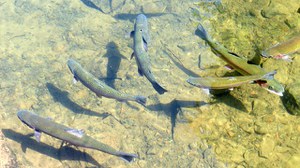
More than 100 specimens of the Golani sardine (Etrumeus golanii), a species native to the Red Sea, were caught by fishermen from Lampedusa during an anchovy fishing trip.

The species was first reported in Italian waters by ISPRA in 2006, following the capture of a specimen off the Island of Lampedusa in September 2005, with only sporadic catches recorded in subsequent years.

This remarkable catch confirms the widespread presence of this alien species in the Strait of Sicily. The specimens were handed over to ISPRA researchers working on the island for scientific research and will be analyzed in the laboratory.

The role of fishermen continues to be of great importance in monitoring alien and rare species in our seas.

continue
Reclamation and landfill materials
Jul 02, 2026 09:30 AM — Jul 02, 2026 05:00 PM Auditorium del CNR, Piazzale Aldo Moro n. 7, Roma

On July 2, an event organized by ISPRA entitled “SNPA Guidelines 46 and 46bis on Fill Materials: Regulatory, Operational, and Management Perspectives” will take place at the CNR Auditorium in Rome.

The conference is dedicated to the proper management of fill materials, a topic of growing importance in terms of environmental sustainability, land protection, and the proper planning of remediation and redevelopment activities.

continue
All ISPRA Events All News

June

June