
News
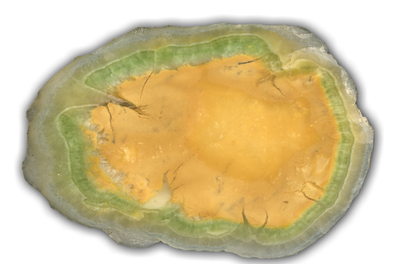
CCS and Carbon Mineral Storage: Research, Industry, and Policies for Climate Neutrality
Jan 30, 2026 — Jan 30, 2026 Rome, Sala Marconi - CNROn the path toward climate neutrality, reducing CO₂ emissions represents a crucial challenge, particularly for highly emission-intensive industrial sectors. Alongside renewable energy sources and energy efficiency, Carbon Capture and Storage (CCS) and Carbon Capture, Utilisation and Storage (CCUS) technologies are now recognized as necessary tools for achieving climate goals in the medium and long term.
Within this framework, mineral sequestration of CO₂ (Carbon Mineral Storage) is emerging as a particularly promising solution for the permanent and safe storage of carbon.
However, the maturation of these technologies requires integrated scientific progress across the entire value chain—from CO₂ capture to transport and utilisation, through to geological and mineral storage solutions—together with an adequate regulatory framework and structured dialogue among research, institutions, and industry
World Wetlands Day
Feb 02, 2026 — Feb 02, 2026World Wetlands Day, celebrated on 2 February, marks the signing in 1971 of the Ramsar Convention on Wetlands of International Importance and aims to raise global awareness of the crucial importance of wetlands for people and for our planet.
The Ramsar Convention defines wetlands as “areas of marsh, fen, peatland or water, whether natural or artificial, permanent or temporary, with water that is static or flowing, fresh, brackish or salt, including areas of marine water the depth of which at low tide does not exceed six metres” The Convention is the only international environmental treaty specifically focused on these ecosystems which, in addition to hosting and conserving a rich biological diversity of plants, birds, mammals, reptiles, amphibians, fish and invertebrates, provide substantial water and food resources and play a fundamental role in mitigating climate change.
"Un Solo Mare" Festival
Feb 11, 2026 — Feb 15, 2026 Rome, Auditorium Parco della Musica Ennio MorriconeFrom 11 to 15 February 2026, the first edition of Un Solo Mare will take place at the Auditorium Parco della Musica Ennio Morricone. This new festival, produced by the Fondazione Musica per Roma, aims to celebrate the sea as a shared heritage and an irreplaceable resource.
The Festival was created out of the need to establish a space for dialogue dedicated to the 70% of the planet’s surface and 90% of its biosphere that regulates the climate, sustains life, nourishes us, and produces half of the oxygen we breathe.
Marine biodiversity and conservation, climate change and adaptation, marine exploration and technologies, the blue economy and sustainable development, and Mediterranean governance will be the major themes at the heart of the Festival.
ISPRA is organizing “The Deep Colors of the Mediterranean”, an immersive journey into the depths of the sea through images and videos collected by ISPRA. A conference-show designed for lower and upper secondary schools, aimed at discovering hidden ecosystems, understanding their fragility, and closely observing life in the deep sea.
On 11 February, the “Blue Economy between Italy and the Mediterranean” conference will feature the participation of ISPRA Director General, Maria Siclari.
ISPRA is organizing also the following conferences:
Questa è una spiaggia ecologica e tu ne fai parte!
Mare nostrum: scopriamo insieme il Mar Mediterraneo
I colori profondi del Mediterraneo
Dentro i laboratori del mare. Collegamento con navi oceanografiche e basi artiche
R3 Materials -> Next Materials
Jan 28, 2026 — Jan 28, 2026 MilanoInstitutions, Research, and Businesses Discuss Critical Raw Materials
Relevance, Regeneration, Recycling
Will these new buzzwords inspire the governance of critical and strategic raw materials in global supply chains marked by technological, energy, and industrial transformations? And how can they be reconciled with imports and domestic mining activities?

MEET-FUNGI: the project and the 2026 initiatives dedicated to fungal biodiversity officially kick off
Jan 16, 2026On 31 January 2026, the launch event of the MEET-FUNGI project will take place in Valle Camonica (Lombardy). The project is coordinated by Federparchi, with the support of Fondazione Cariplo, and involves ISPRA as a partner alongside MicoCosmo and the Valle Camonica Mountain Community.
Following the launch event, a structured programme of outreach and training initiatives will begin and continue throughout 2026. These activities will include mycological excursions, workshops, and awareness-raising initiatives, open to the public and aimed at a broad and diverse audience.

Tandem – Discovering Circular Italy
Jan 16, 2026The return of mining: new sustainable extraction techniques and a legacy to keep alive are at the heart of the second episode of Tandem – Discovering Circular Italy, the podcast series that shows how sustainability and beauty can grow together through the circular economy.
Beneath Mount Amiata lies one of the richest geothermal areas in Europe: a place where the earth holds energies and materials that could shape our future. From the mountain’s slopes, Edo and Marti travel along ancient mining routes and then set sail for Elba, in search of a past that deserves to be preserved.
Tandem gives voice to the commitment of ISPRA and the Ministry of Enterprises and Made in Italy which, through the Facciamo Circolare (“Let’s Make It Circular”) campaign, promote a more sustainable development model—one in which every daily choice can make a difference.
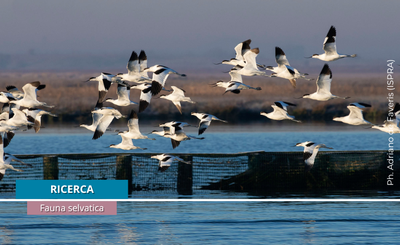
The census of overwintering waterbirds celebrates its first 60 years
Jan 14, 2026Coordinated in Italy by ISPRA, the Wetlands International project promotes the counting of waterbirds around mid-January across the entire European territory.
From 6 to 25 January 2026, surveys of overwintering waterbirds are being carried out in more than 2,000 Italian wetlands as part of the International Waterbird Census (IWC) project. The project is coordinated by ISPRA and relies on a network of over 500 expert surveyors and around 1,500 collaborators distributed throughout the country. With more than 30 years of continuous activity across the entire national territory, the IWC surveys represent one of Italy’s longest-running research projects, and certainly the leading one in terms of geographical coverage and regularity.
The 2026 marks the 60th anniversary of the IWC censuses.

Regional Sites, an update on remediation: nearly one in two municipalities involved, over 16,000 active proceedings in Italy
Jan 14, 2026Published the IV ISPRA report "The fourth report on the contaminated sites management at regional level"
The 46% of Italy’s municipalities, equal to 3,619 municipalities, are affected by at least one remediation procedure ongoing as of 1 January 2024; 70% of regional remediation procedures have been concluded without the need for remediation and/or safety measures; on average, 1,190 new remediation procedures are initiated nationwide each year.
This is highlighted in the 4th Report on the Remediation of Regional Sites published by ISPRA, which presents and analyses data relating to remediation procedures updated as of 1 January 2024. The report is based on data submitted by SNPA, the Regions, and the Autonomous Provinces for the 2024 population of MOSAICO, the national database on remediation procedures. The analyses cover 16,365 ongoing remediation procedures and 22,191 completed remediation procedures.
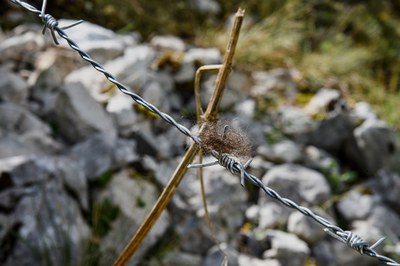
The first phase of genetic monitoring of the Marsican brown bear has been completed
Jan 13, 2026Analysis of over eight hundred hair samples collected in the area of the Abruzzo, Lazio and Molise National Park to estimate population size
The first phase of genetic monitoring of the Marsican brown bear has been successfully completed, with the aim of estimating as accurately as possible the population size of one of Europe’s rarest mammals. The activity took place within the Abruzzo, Lazio and Molise National Park, where 854 hair samples were collected and will now be analyzed by specialized laboratories.
To obtain these samples, “scent traps” were set up to attract bears to rubbing posts and around berry patches—environments where they find fruit to feed on. Thanks to more than four hundred installations, genetic material was collected for biomolecular analyses, which will make it possible to estimate both the size of the population and the species’ distribution range, in historically occupied areas as well as in zones of more recent colonization.
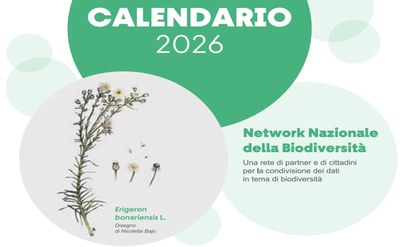
2026 Calendar of the National Biodiversity Network
Jan 09, 2026The 2026 calendar of the National Biodiversity Network is illustrated with drawings and photographs created as part of educational activities and citizen science initiatives promoted by the Network.
ISPRA project for schools: “Botanical iconography as a tool for knowledge and environmental awareness.”
“Biodiversity in Pose” project: a citizen science initiative aimed at reporting the presence of plant and animal species across the national territory.
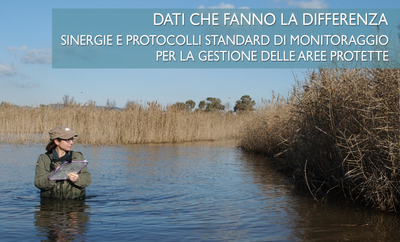
Online Reticula n. 40/2025 - Monographic issue
Jan 07, 2026Data that makes a difference: synergies and standard monitoring protocols for protected area management
The rapid decline in global biodiversity requires the availability of reliable and comparable data, collected through standardized monitoring methods, capable of providing effective support for land management policies at various scales. In this context, it is essential that biodiversity data collection be aimed not only at knowledge generation, but also at assessing the effectiveness of management and conservation measures.

Facciamo Circolare – Listen to Tandem, the Rai Play Sound podcast by ISPRA and MIMIT
Dec 31, 2025Starting from December 31, on Rai Play Sound, listeners can enjoy the five episodes of the podcast “TANDEM – Discovering Circular Italy”, produced by ISPRA in collaboration with and with the contribution of MIMIT as part of the “Facciamo Circolare” campaign.
Edo and Marti are back in the saddle to lead Tandem, a journey through cities, villages, natural landscapes, and innovative initiatives that are reshaping the future of the country.

Online the report "Contaminated sites management in Italy"
Dec 24, 2025Fourth report on regional data
The fourth report on the contaminated sites management at regional level, presents data on administrative and technical procedures updated to 01/01/2024. This update is based on data provided by Regional and Autonomous Provincial authorities, as well as Environmental Protection Agencies, as part of the 2024 population of MOSAICO, the national database on remediation procedures.
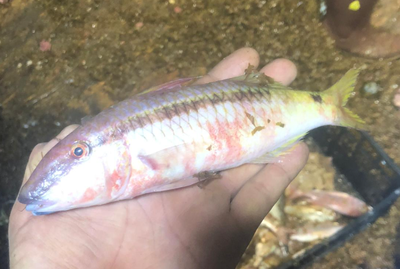
The Red Sea mullet has established itself in Lampedusa
Dec 23, 2025Fishermen on the island are increasingly catching specimens of this alien species, which arrived in the Mediterranean through the Suez Canal.
Initially observed only in deep waters, it has recently also been found along the coastal belt—an indication that suggests a stable establishment in the area, as has already occurred with other alien species such as the brown rabbitfish and the cornetfish.
ISPRA is closely monitoring the evolution of the phenomenon in order to assess interactions with native species and potential impacts on the ecosystem.
The collaboration of fishermen is crucial, as they provide valuable information to the scientific community
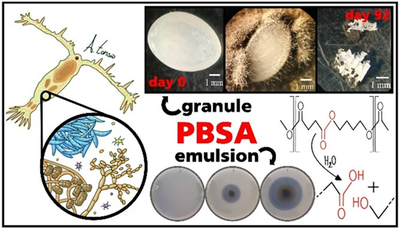
Plankton secret: Copepods and fungi capable of degrading bioplastics under natural conditions
Dec 22, 2025Published in the international journal Environmental Science and Pollution Research are the results of an innovative study conducted by ISPRA, the University of Pisa, the University of Turin, and the University of Manitoba (Canada), in collaboration with Zhejiang Ocean University in China. The research explores the degradative capacity of the microbiome associated with plankton, drawing inspiration from observations of nature. Indeed, the hypothesis is based on the principle that microorganisms associated with marine zooplankton—composed for 80% of small crustaceans known as copepods—are already highly specialized in the degradation of molecules that are not easily degradable, such as chitin, which forms the exoskeleton of crustaceans.
The European project Life Sea.Net concluded
Dec 19, 2025A toolkit featuring operational tools to support managing authorities in the governance of protected areas has been presented.
The Italian marine Natura 2000 network can become the cornerstone of a new model of sea governance: effective, coordinated, participatory, and capable of protecting biodiversity, strengthening local economies, and making coastal communities more resilient.
Protecting migratory marine species such as the Mediterranean monk seal and the loggerhead sea turtle (Caretta caretta) will now be easier thanks to cooperation among transboundary states, as will identifying the most appropriate management solutions and defining suitable measures for the conservation of sensitive habitats or species, in coordination with national and international administrations. But that is not all. It will also be easier to promote participatory and shared processes to expand the Natura 2000 Network—an extraordinary tool for biodiversity protection and a driver of the Blue Economy. Protected areas, in fact, stabilize ecosystems, ensuring natural resources for sustainable activities and fostering innovation, circular economy practices, and integrated territorial management.

A Special Christmas Gift for the Students of the ISPRA V.I.A. Summer School 2024 in Palermo
Dec 19, 2025This year, Christmas comes with a highly symbolic gift for the 65 students of the V.I.A. Summer School 2024: the offsetting of 65 tonnes of CO₂.
Each student is given the offsetting of 1 tonne of CO₂, corresponding to the emissions generated by the school’s logistical activities. Offsetting the travel- and energy-related emissions of participants highlights the impact of our activities and represents concrete action to reduce it.
A different kind of Christmas gift, intended as a sign of consistency and measurable commitment to environmental protection, addressed to future Environmental Impact Assessment (EIA) professionals: sustainability in action.

Published the Report “Monitoring of the Potentially Toxic Microalga Ostreopsis cf. ovata along the Italian Coastline: Year 2024”
Dec 18, 2025The Report presents data from monitoring activities on blooms of Ostreopsis ovata and other toxic benthic dinoflagellates carried out during the 2024 season along the Italian coastline.
In particular, it describes the results and methodologies for sampling and analysis, as well as surveillance, information, communication, and management measures implemented in the event of toxic blooms, with the aim of assessing both the trends of the phenomenon and the effectiveness of the actions undertaken to detect and control the distribution, abundance, and spatio-temporal dynamics of Ostreopsis ovata and associated blooms.
The report was prepared using the reports provided by 15 coastal Regional Environmental Protection Agencies (ARPA).
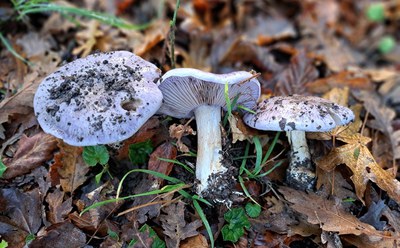
ISPRA–Nebrodi Park Agreement for Biodiversity Monitoring
Dec 18, 2025ISPRA and the Nebrodi Park Authority have signed a three-year agreement for the development of joint activities focused on monitoring, studying, and conserving biodiversity within the territory of the Nebrodi Park.
The collaboration combines ISPRA’s scientific expertise with the institutional and management role of the Park Authority and focuses on two key components of the Park’s ecosystems: mycological diversity, with particular reference to macrofungi, and the faunal component, especially avifauna of conservation interest.
Activities related to mycological biodiversity are carried out within a dedicated Network coordinated by ISPRA and include field surveys, the collection of ecological data using standardized protocols, validation of information through the Fungi Information System (SIF), and the preservation of specimens in the ISPRA database. The results will contribute to expanding and making more consistent the knowledge of the Park’s fungal diversity.

Glacial and Periglacial Hazard in Alpine Environments: A Methodological Framework
Dec 18, 2025The technical document is the result of a joint effort carried out within the civil protection system and coordinated by the Department of Civil Protection, with the aim of providing methodological elements related to the strategic areas of knowledge, communication, and training on high-mountain risks in glacial and periglacial environments, with particular attention to the current context of climate change.
The "Participatory Tools for Climate Risk Management in Urban Areas" paper has been published.
Dec 17, 2025The purpose of this Bookleet is to inform citizens on the two themes of climate change and public participation, using a technical and sociological approach to risk. It also aims to foster participatory processes in urban areas to share local knowledge and empower all citizens to co-design and co-manage policies and interventions at the local level.
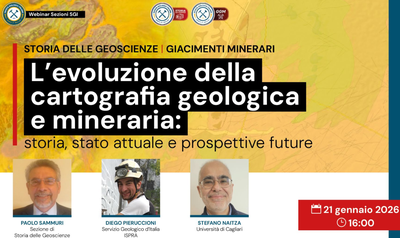
The evolution of geological and mining cartography
Jan 21, 2026 04:00 PM — Jan 21, 2026 06:00 PM WebinarOn Wednesday, January 21, 2026, at 4:00 PM, Diego Pieruccioni (ISPRA) will participate in the webinar "The Evolution of Geological and Mining Cartography."
The webinar is jointly organized by the History of Geosciences Section and the Strategic Raw Materials and Mineral Deposits Development Section of the Italian Geological Society.
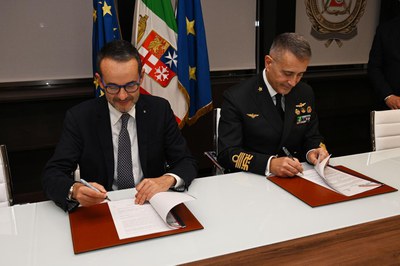
ISPRA and the Coast Guard: Memorandum of Understanding Signed to Protect Our Sea
Dec 15, 2025It was signed in recent days in Rome, at the headquarters of the General Command of the Port Authorities, a Memorandum of Understanding between the Italian National Institute for Environmental Protection and Research (ISPRA) and the General Command of the Port Authorities Corps – Coast Guard, aimed at further strengthening institutional cooperation in the protection of the marine and coastal environment. The agreement consolidates a path of collaboration already developed in the past, expanding its areas of intervention and introducing new operational tools.
ISPRA is, in fact, the national technical and scientific body supporting environmental policies and a point of reference for the activities of the National System for Environmental Protection (SNPA), which carries out analyses, monitoring, and inspections to safeguard marine and coastal ecosystems.
The Coast Guard, on the other hand, is daily engaged in surveillance, the protection of the marine environment, the control of maritime traffic, fisheries enforcement, and the management of maritime emergencies, sharing the common objective of protecting a natural heritage that belongs to everyone.
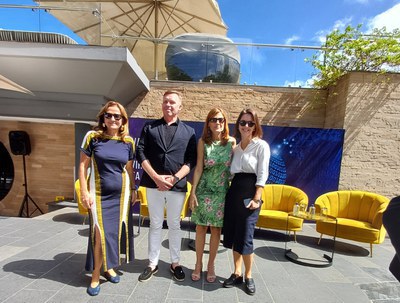
At UNEA-7, ISPRA co-organized the event ‘Advancing the Global Environmental Data Strategy
Dec 12, 2025 — Dec 12, 2025 NairobiOn the sidelines of the seventh United Nations Environment Assembly (UNEA-7), which concluded on 12 December in Nairobi, ISPRA and INFO-RAC, in cooperation with the Italian Embassy in Nairobi and with the political support of MASE, co-organized a high-level event on the implementation of the Global Environmental Data Strategy (GEDS) developed by UNEP. The informal event, co-organized with the governments of Estonia, Kenya and UNEP, brought together government representatives and key partners from the private sector and academia to discuss how to advance the global implementation of the GEDS.
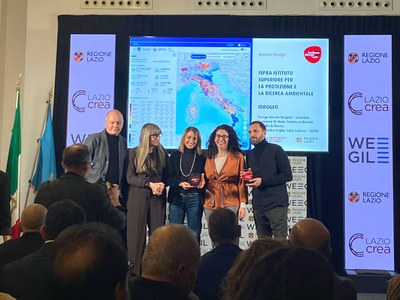
The ISPRA IdroGEO platform awarded among the Design Excellence in Lazio 2025
Dec 12, 2025The Industrial Design Association (ADI), under the patronage of the Lazio Region, has awarded the annual recognition celebrating Design Excellence in Lazio to IdroGEO, the national platform on hydrogeological instability.
The award was presented to ISPRA and Studio Brillante/Sciamlab, which oversaw its design and development.
Version 2.0 of IdroGEO, developed as part of the PNRR Geosciences IR project, ensures intuitive and accessible consultation of complex data, thanks in part to the integration of Artificial Intelligence tools and a design that streamlines the user experience.
ISPRA publishes the report "Environmental Damage in Italy"
Dec 12, 2025SNPA's contribution to criminal proceedings. Edition 2025
The Report analyzes the State's action to prevent and remedy environmental damage in the judicial context. Specifically, the work focuses on cases for which the Ministry of the Environment, at the instigation of the State District Attorneys' Offices and the Judicial Authorities, requests ISPRA/SNPA to conduct a technical investigation during the preliminary phase of criminal proceedings. For the 120 cases examined in the two-year period 2023-2024, data is presented regarding the territorial distribution, the alleged crimes, and the preliminary investigation results. In cases where environmental damage was ascertained, the type of impact on natural resources is also illustrated.
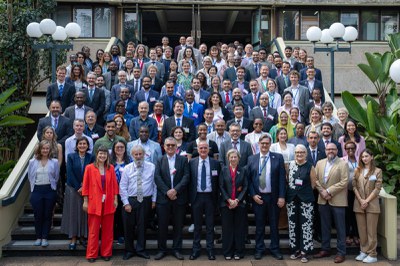
Presented Global Environment Outlook 7: A future we choose
Dec 09, 2025 — Dec 09, 2025 Nairobi - KenyaThe Executive Summary of the seventh edition of UNEP's Global Environment Outlook (GEO-7) was presented today in Nairobi, where the seventh United Nations General Assembly for the Environment (UNEA-7) is underway.
GEO-7, UNEP's flagship document, assesses the state of the environment at the global, regional, and national levels, highlighting interconnected crises such as climate change, biodiversity loss, land degradation, pollution, and waste. The report integrates scientific data, forecasting scenarios, and socioeconomic analyses, proposing solutions based on the circular economy, energy transition, and sustainable food systems.
287 scientists from various disciplines from 82 countries participated in the drafting process, supported by over 800 reviewers to ensure scientific accuracy. Twelve Italian authors are among the authors, including three young scientists who participated in GEO-7 as fellows.
ISPRA partner of the SEALIFE Project
Dec 07, 2025Strengthening cooperation to develop joint solutions for the protection of the Mediterranean monk seal in the program area
As part of the European Territorial Cooperation Programme Interreg Greece-Italy 2021/2027, SEALIFE, a cross-border project dedicated to the protection of the Mediterranean monk seal (Monachus monachus), one of the world's most endangered mammal species, is launched. The initiative aims to develop innovative strategies for the conservation of the monk seal in the Ionian and Adriatic Seas.
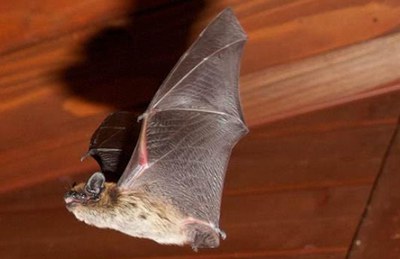
Guidelines for the Rescue and Rehabilitation of Bats published
Dec 05, 2025The guidelines serve as a technical and methodological reference tool for all wildlife rescue centers and provide updated and standardized guidance on the proper procedures for handling bats during the rescue and rehabilitation of individuals found in distress. The document includes a general introductory section, admission criteria, housing and husbandry methods, a medical handbook, examples of surgical procedures, and protocols for managing the most common diseases, as well as criteria for assessing suitability for release into the wild and the procedures for release.
It also includes a section dedicated to the management of exotic species

The Seveso Directive and Emerging Risks from the Energy Transition
Dec 05, 2025Ten Years After National Implementation, the Advanced Training Course on Safety in Industrial Plants is Launched
Skills and operational tools to correctly apply the Seveso III Directive—implemented in Italy through Legislative Decree No. 105/2015—and to carry out verification and control activities in industrial facilities, in relation to the risk analysis of key industrial processes and in light of new technologies introduced by the energy transition.
These are the objectives of the Advanced Training Course on “Safety in Industrial Plants: the Seveso Directive and Emerging Risks from the Energy Transition”, designed, organized, and delivered in collaboration between ISPRA and UCBM Academy, inaugurated today at the Campus Bio-Medico University of Rome.
The training program reflects the focus on the technical and scientific preparation essential for the prevention of industrial risks and is an integral part of the educational offer of ISPRA’s School of Specialization in Environmental Disciplines, inaugurated last year.
UCBM Academy promotes post-graduate education at Campus Bio-Medico University of Rome, developing university master’s programs, advanced courses, executive programs, and tailor-made training paths for companies and institutions. The collaboration with ISPRA is part of joint initiatives aimed at developing advanced technical skills in highly complex sectors.