Italy’s Special Waste: increase the production
Jul 26, 2026Italy’s Special Waste Generation Exceeds 172 Million Tonnes in 2024
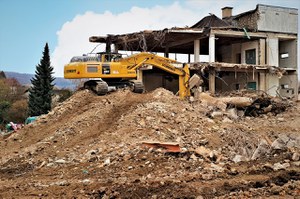
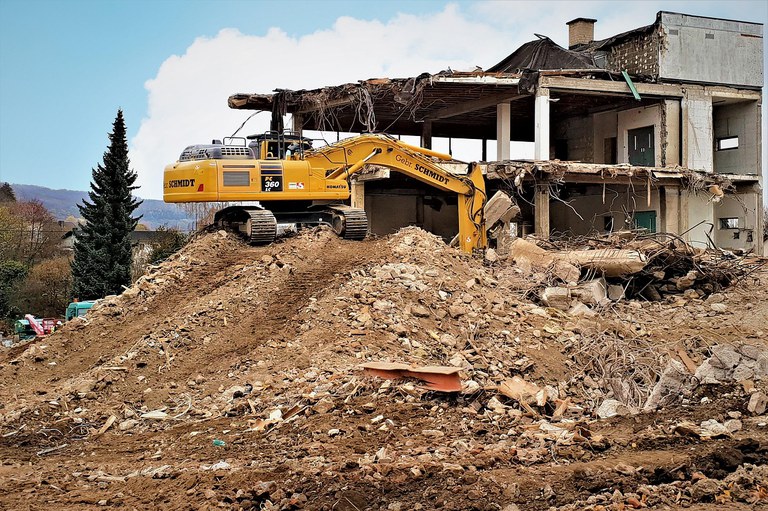
Italy generated more than 172 million tonnes of special waste in 2024, marking a 4.6% increase compared with 2023 (an additional 7.6 million tonnes). The rise significantly outpaced the country’s economic growth, with GDP increasing by just 0.8% over the same period. Construction and demolition activities remained the largest source of special waste, accounting for 90.4 million tonnes, or 52.5% of the national total, followed by waste treatment and remediation (23.1%) and manufacturing (15.9%).
Non-hazardous waste represented 93.7% of total production, while hazardous waste reached 10.8 million tonnes, recording a 6% increase compared with the previous year. Waste generation continued to be concentrated in northern Italy, with Lombardy leading national production, followed by Veneto, Emilia-Romagna, and Piedmont.
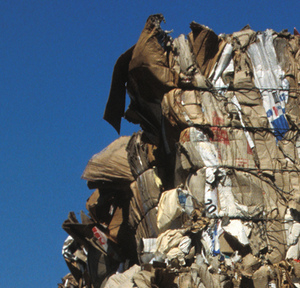
The report highlights encouraging progress towards a more circular economy. In 2024, 187.2 million tonnes of special waste were managed, with material recovery accounting for 74.3% of the total (139.1 million tonnes), an increase of 6.4% compared with 2023. At the same time, landfill disposal continued to decline, falling 2% compared with 2023 and nearly 24% compared with 2021.
Italy imported around 7 million tonnes of special waste—mainly metal scrap from Germany and France for the steel industry—and exported 5.1 million tonnes, primarily to Germany. The national waste management network includes 10,563 treatment facilities, with Lombardy hosting almost one-fifth of the total.
Commenting on the findings, ISPRA and SNPA President Maria Alessandra Gallone highlighted that, despite the challenges posed by rising waste generation and regional disparities in treatment capacity, the report confirms Italy’s steady progress towards a more circular economy, driven by increasing material recovery and outstanding recycling performance in the construction and demolition sector.