Istituto Superiore per la Protezione
e la Ricerca Ambientale

Cerca
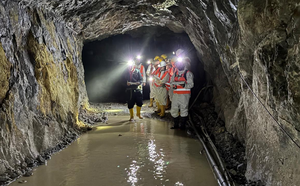
Rome under Rome
Rome under Rome
Jun 10, 2026 09:30 AM — Jun 10, 2026 01:00 PM Rome, sala conferenze Parco Naturale dell'Appia Antica

The new Underground Cavities Map

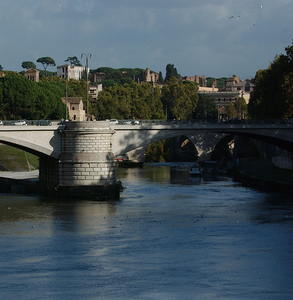
The city of Rome preserves beneath its surface an extraordinarily complex heritage, the result of natural and human-made stratification developed over thousands of years. Ancient quarries, catacombs, hypogea, hydraulic tunnels, and numerous other underground structures form a structural component of the capital’s urban history, while also representing an element of major importance for territorial knowledge and the prevention of ground instability phenomena.

Highlight

Topics in evidence

The new issue of RETICULA, ISPRA’s technical-scientific journal, is now online
May 19, 2026

The issue 41 of RETICULA, the technical-scientific journal published by ISPRA and dedicated to ecological connectivity and green infrastructure in land-use and landscape planning, is now available online.

The editorial of the new issue focuses on Mediterranean wetlands, essential ecosystems for biodiversity and climate regulation, highlighting their strategic role as Nature-based Solutions.

continue
World Biodiversity Day 2026
May 22, 2026 — May 22, 2026

May 22 is World Biodiversity Day, established by the United Nations to celebrate biodiversity—the richness of life at the level of ecosystems, species, and genes—on our planet.

The date of May 22 was chosen by the United Nations in 2000 to commemorate the official adoption of the text of the Convention on Biological Diversity, which took place in Nairobi on May 22, 1992.

The Convention on Biological Diversity pursues three main objectives: the conservation of biological diversity; the sustainable use of its components; and the fair and equitable sharing of the benefits arising from the use of these genetic resources, especially in cases of economic exploitation.

continue
World Bee Day 2026
World Bee Day 2026
May 20, 2026 — May 20, 2026

Pollinating insects play vital ecological roles that support global biodiversity, food security, and ecosystem balance. About 90% of the world’s wild flowering plants depend on insects for pollination in order to reproduce. It is also estimated that 75% of major global crops—including vegetables, fruits, nuts, and forage—benefit from insect pollination. Beyond agriculture, pollinators indirectly contribute to climate change mitigation by supporting the health of forests and natural ecosystems, which are essential for CO₂ absorption.

The status of pollinator populations in Italy is considered critical, reflecting the broader negative trend across Europe.

  • Species at risk: around 22% of the 151 assessed native bee species are threatened with extinction.
  • Main causes: habitat fragmentation, intensive agriculture, widespread pesticide use, and increasing pressure from climate change.

We all depend on pollinators. Monitoring their decline and taking action to halt biodiversity loss is essential—not only for protecting ecosystems, but also for safeguarding food systems and environmental stability.

continue
All ISPRA Events All News

May

May