
News

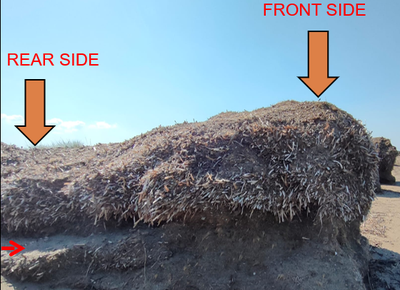
LIFETURTLENEST at EMBS in Peniche with a study on the impacts of coastal defense systems on Caretta caretta nesting activity
Jul 15, 2026ISPRA participated with LIFE TURTLENEST project in the international conference European Marine Biology Symposium (EMBS), which took place in Peniche, Portugal, from July 7 to 10. EMBS is one of the longest-running and most prestigious scientific conferences on marine sciences, representing an important forum for scientific exchange and debate on European marine biology.

Observe and Report Biodiversity Around You – Even While on Holiday!
Jul 14, 2026Take part in "Biodiversity in Focus", an initiative of ISPRA's National Biodiversity Network dedicated to collecting and sharing citizen observations of wildlife, plants, and natural environments.
Through its integration with the iNaturalist app, "Biodiversity in Focus" enables anyone, at any time, to share photographs of nature with the National Biodiversity Network. Whether taken by professional or amateur photographers, these images provide valuable biodiversity records and contribute to the Network's growing database of citizen-generated observations.
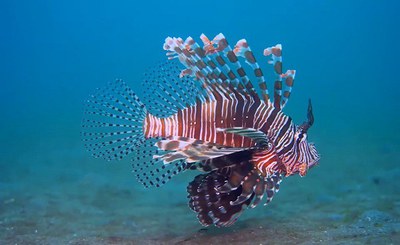
“Watch Out for the Four!”: Keep Your Eyes Open for Invasive Alien Fish in Italian Waters
Jul 14, 2026Fishermen, divers, and anyone who has observed or caught a lionfish or any of the other three potentially dangerous tropical species—the silver-cheeked toadfish, the dusky rabbitfish, and the marbled spinefoot—in Italian waters are invited to support the “Watch Out for the Four!” awareness campaign. The campaign aims to inform the public about the presence of these invasive species in our seas and encourage the reporting of sightings.

ISPRA documentary "House in the sand"
Jul 14, 2026Do you know the Kentish Plover? Did you know that you might see it on the beach in the summer? Unfortunately, it is currently one of the most threatened coastal nesting species. Most breeding populations in Europe are declining, sometimes dramatically as in Italy, due to disturbance from human activities, predation by invasive species and habitat loss and degradation. The documentary "House in the sand" describes the monitoring and scientific research activities carried out by ISPRA, in collaboration with local ringers, the local branches of the National Committee for the Conservation of the Kentish Plover and the General Command of the Carabinieri.
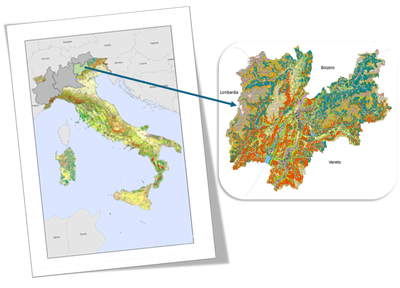
Nature Map of the Province of Trento Now Available
Jul 13, 2026ISPRA has released the Nature Map (Carta della Natura) for the Province of Trento, expanding the national system used to assess and monitor Italy's ecosystems and habitats. The map provides detailed information on habitat distribution, ecological value and environmental vulnerability, supporting land-use planning, biodiversity conservation and environmental assessments. It is the result of a collaboration between ISPRA and the Autonomous Province of Trento and represents an important tool for public authorities, researchers and environmental managers to promote sustainable territorial planning and protect natural capita

Italy's Hidden Groundwater Reservoir Supplies 84% of Drinking Water
Jul 13, 2026ISPRA has unveiled a new Hydrogeological Map of Italy, highlighting the country's vast underground groundwater resources. According to the study, more than 84% of Italy's drinking water comes from aquifers, springs and wells beneath the surface.
The map shows that around 66% of the Italian territory contains natural aquifers with medium to high water-storage capacity, particularly across the Po Valley and the central and southern Apennines. The survey also identified 957 major springs with flow rates exceeding 10 litres per second, supplying approximately 2.7 billion cubic metres of drinking water each year.
Published forty years after the previous nationwide assessment, the new map provides an updated picture of one of Italy's most valuable natural resources. ISPRA stresses that understanding and protecting these underground water reserves is essential for ensuring the country's long-term water security and sustainable management of freshwater resources
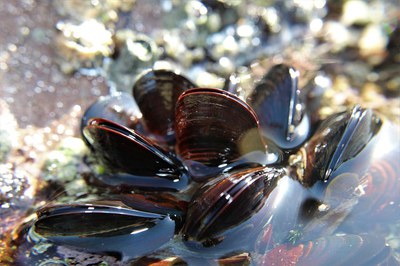
Climate change and ocean acidification outweigh local stressors in Mediterranean mussels: A multi-method convergence analysis
Jul 09, 2026Published in the prestigious journal Environmental Pollution and co-authored by ISPRA researchers, the study "Climate Change and Ocean Acidification Outweigh Local Stressors in Mediterranean Mussels: A Multi-Method Convergence Analysis" presents the results of a ten-year biomonitoring programme (2014–2023) carried out in the Ligurian Sea.
The research focused on the Mediterranean mussel (Mytilus galloprovincialis) at Gorgona Island (used as the reference site) and near an offshore regasification terminal. By integrating biomarker data, tissue metal concentrations, and high-resolution oceanographic variables, the study quantified the relative contribution of different environmental stressors affecting mussel health using five complementary statistical approaches.
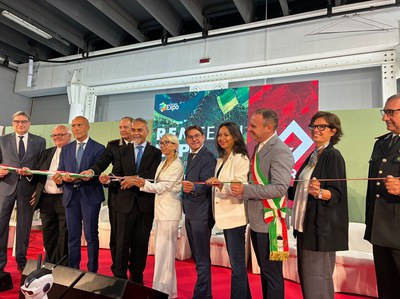
ISPRA at the RemTech Expo 2026
Sep 16, 2026 — Sep 18, 2026 Ferrara ExpoRemTech Expo is the only international and permanent Environmental Technology Hub specializing in the remediation, regeneration, and sustainable development of territories.
It consists of twelve thematic segments: REMTECH and REMTECH EUROPE, dedicated to the remediation of contaminated sites; COAST, focused on coastal protection, ports, and sustainability; HYDROGEO, addressing natural hazards (hydrogeological and seismic), land instability, and landslides; CLIMETECH, covering climate change, mitigation, and adaptation; INFRATECH, dedicated to the monitoring and safety of strategic infrastructure such as railways, bridges, roads, and dams, with particular emphasis on preventing hydrogeological instability, flooding, and landslides; CIRCULARTECH, focusing on the circular economy, sustainable technologies, and waste management; RIGENERACITY, dedicated to urban regeneration; CHEMTECH, promoting innovative and sustainable chemical industries; FIRE – Prevention, Innovation, Research, focusing on fire prevention and the protection of Italy’s cultural heritage; ENERGY, covering emerging energy topics such as solar, wind, offshore renewables, geothermal, hydropower, hydrogen, and nuclear energy; and a special segment, HUTTE, dedicated to sustainability and holistic well-being.

Urban Heat Islands: Reforestation and Depaving Can Reduce Temperatures by Up to 4°C
Jul 08, 2026Urban Heat Islands: Reforestation and Depaving Can Reduce Temperatures by Up to 4°C
The MIRIFICUS project, coordinated by the Italian National Research Council (CNR-IBE) in collaboration with ISPRA and supported by the Italian Space Agency, shows that urban heat can be significantly reduced through nature-based solutions. Simulations carried out in Rome and Florence demonstrate that increasing green spaces, planting trees, and replacing heat-retaining pavements with cooler surfaces can lower daytime temperatures by more than 4°C, while maintaining an average daily reduction of about 2–2.2°C.
The project also analyzed satellite data collected between 2013 and 2023, revealing that most Italian cities experience summer surface temperatures above 40°C because of extensive asphalt, concrete, and limited vegetation. In contrast, surrounding rural areas are considerably cooler. The study highlights that urban design—including building density, height, and construction materials—plays a major role in determining local temperatures. For example, industrial areas in Rome can reach 57.2°C, whereas urban forests in Florence are almost 9°C cooler than densely built neighborhoods.
To support urban planning, MIRIFICUS has developed a free webGIS platform and a Google Earth Engine web application that allow municipalities to analyze local temperature patterns, assess the effects of land use and green spaces, and simulate the impact of mitigation measures. According to the project partners, these tools provide scientific support for designing more resilient, healthier, and climate-adapted cities.
Project MIRIFICUS

National database of underground cavities and sinkholes in Italian urban areas
Jul 07, 2026ISPRA has launched a systematic initiative to survey and inventory underground cavities and sinkholes in Italian urban areas, with the aim of improving knowledge of the urban subsurface and providing tools useful for spatial planning, geological risk prevention, and emergency management.
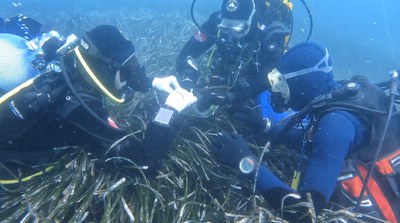
Posidonia oceanica: 15 Recommendations for More Effective Restoration Efforts
Jul 07, 2026Interreg Euro-MED ARTEMIS Project Report Published
The restoration of Posidonia oceanica meadows in the Mediterranean, and seagrass ecosystems more broadly, must move beyond fragmented pilot projects toward structured, long-term, large-scale interventions supported by effective governance and stable funding.
This is the central message of the new report published as part of the Interreg Euro-MED ARTEMIS project, in which Italy plays a leading role through two pilot sites: the Capo Testa–Punta Falcone Marine Protected Area in northern Sardinia and the Gulf of Panzano, in the Monfalcone area of the Friuli Venezia Giulia Region.
Environmental Indicators Database: First 2026 Update Now Available
Jul 06, 2026ISPRA has released the first 2026 update of more than 80 indicators in the Environmental Indicators Database, providing a timely, robust, and up-to-date assessment of the state of the environment in Italy.

Will the Italian Grey Partridge Fly Again in the Mezzano Valley?
Jul 06, 2026The Italian Grey Partridge (Perdix perdix italica) is a medium-sized, resident galliform bird that spends most of its time on the ground. Historically associated with open rural landscapes and the traditional agricultural ecosystems of the Italian Peninsula, this endemic subspecies suffered a dramatic decline throughout the twentieth century due to habitat fragmentation, agricultural intensification, and hunting pressure, eventually being officially declared extinct in the wild. The only remaining genetically pure individuals were preserved within a single historic breeding line maintained in northern Italy.
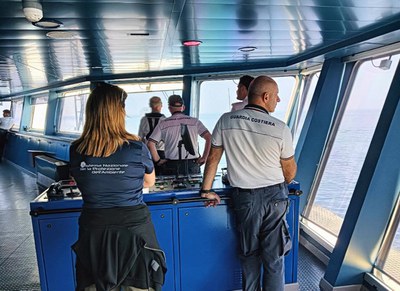
RAMOGEPOL 2026
Jul 03, 2026RAMOGEPOL 2026, the international exercise conducted under the Operational Plan of the RAMOGE Agreement, successfully concluded in Monaco. Held from 22 to 26 June, the exercise brought together Italy, France, and the Principality of Monaco in a comprehensive programme of operational, technical, and institutional activities dedicated to preventing and responding to accidental marine pollution incidents.
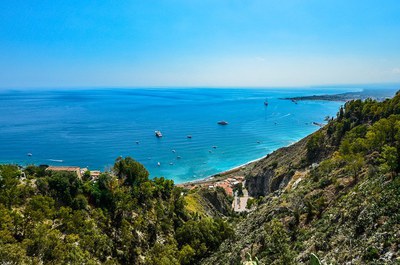
International Day of the Mediterranean Sea
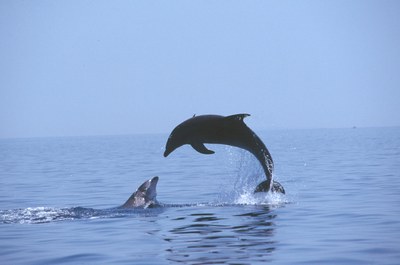
Jul 08, 2026 — Jul 08, 2026The Mediterranean is a sea of extraordinary natural beauty, history, and culture that deserves to be protected and enhanced. Its unique heritage is celebrated each year on 8 July with the International Day of the Mediterranean Sea. Through the MER Project (Marine Ecosystem Restoration), funded under Italy's National Recovery and Resilience Plan (PNRR), ISPRA is developing a comprehensive initiative to map, restore, and protect one of the world's richest—and most fragile—marine ecosystems. The project's goal is to safeguard the Mediterranean's biodiversity and preserve it for future generations. The MER Project, the largest marine initiative within the National Recovery and Resilience Plan, is led by the Italian Ministry of the Environment and Energy Security (MASE) as the responsible authority, with ISPRA acting as the sole implementing body. The project comprises 37 lines of activity to be carried out across the entire national territory and is structured around three main pillars: the restoration and protection of the seabed, the strengthening of marine and coastal observing systems, and the mapping of coastal and marine habitats of conservation interest.
ISPRA's Contribution to the Third Edition of the United Nations "World Ocean Assessment"
Jul 03, 2026The third edition of the World Ocean Assessment (WOA) has recently been released. Spanning more than 1,300 pages, the report is the result of five years of work by around 600 international scientists. It provides a comprehensive assessment of the growing impacts of climate change, pollution, and overfishing on the world's oceans, which cover more than 70% of the Earth's surface.
Italy Joins the Second Phase of the National Collaboration Programme for the Copernicus Land Monitoring Service
Jul 03, 2026Italy has reaffirmed its commitment to European environmental cooperation by officially joining the second phase of the National Collaboration Programme for the Copernicus Land Monitoring Service (CLMS). The continuation of this important initiative was formalized through the signing of a Memorandum of Understanding between the European Environment Agency (EEA) and the Italian Institute for Environmental Protection and Research (ISPRA) on 12 June. The agreement will remain in force for a period of 18 months.
Seas Growing Warmer: Second-Highest Temperature Ever Recorded in 2025
Jul 01, 2026Above-Average Temperatures. Water Resources Remain Under Close Monitoring
Findings from the New SNPA Report The Climate in Italy in 2025
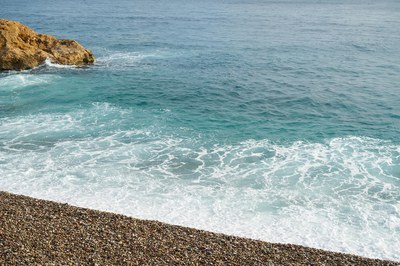
With an average annual sea surface temperature of 20°C and peaks exceeding 26°C in July (26.64°C) and August (26.48°C), 2025 recorded temperatures 1.18°C above the 1991–2020 climate reference period, making it the second warmest year since 1982 for Italian seas. At the same time, more frequent rainfall in northern Italy improved water availability, with precipitation 7% above average, while central Italy remained close to the long-term average and southern Italy experienced a 5% decrease in rainfall. These findings highlight the growing need to continue implementing both climate mitigation and adaptation measures.
These are among the key findings of the report The Climate in Italy in 2025, published by the National System for Environmental Protection (SNPA), which comprises ISPRA and the Regional and Provincial Environmental Protection Agencies (ARPA/APPA). The report provides a comprehensive assessment of the state of the climate and its evolution across Italy, offering analyses at the national, regional, and local levels. It also includes in-depth examinations of the most significant climate events that occurred during the year.
Since 2000, Italy has recorded above-average air temperatures in almost every year, and 2025 continues this trend, with an average temperature anomaly of +1.03°C relative to the 1991–2020 climatological baseline. All months except October and November were warmer than average. June, with a temperature anomaly of +3.23°C, was the second warmest June on record after 2003. All four seasons also recorded above-average temperatures. In particular, summer, with an anomaly of +1.46°C, ranked as the fourth warmest since 1961. Winter (+1.21°C) and spring (+0.86°C) were also among the warmest on record, while autumn showed a more moderate increase of +0.16°C.

Report: "Geology and History of the Basilica of Saint Paul Outside the Walls"
Jul 01, 2026As part of the Rome Science Festival, ISPRA organized the geological walk "Stories in Stone: A Geological Journey through Rome's Basilicas" on April 18.
Rebuilt after the devastating fire of 1823, the Basilica of Saint Paul Outside the Walls is an outstanding example of the restoration of Early Christian architecture while preserving its connection to its ancient origins. One of the building's most distinctive features is the extensive use of ornamental stones sourced from various regions of the Mediterranean. The guided tour provided participants with the opportunity to closely observe these different lithological varieties, appreciating their quality, aesthetic value, and historical significance.
Disaggregation of the national emissions inventory at the provincial level
Jun 30, 2026Years: 1990, 1995, 2000, 2005, 2010, 2015, 2019, 2023
The report describes the provincial-level disaggregation of pollutant and greenhouse gas emissions estimated in the ISPRA national inventory, carried out using a top-down approach for the years 1990 through 2023.
SYNFONY 2026 First Survey: An Outstanding Start Across the Mediterranean
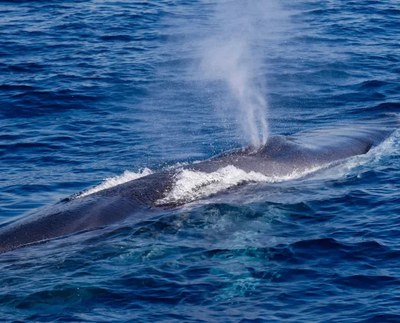
Jun 30, 2026The first survey of SYNFONY 2026 – Synoptic Ferry Observation Network, a new Mediterranean monitoring initiative built on the legacy of the LIFE CONCEPTU MARIS project and the long-standing experience of the FLT Med Net network – has provided a highly encouraging snapshot of marine biodiversity across the Mediterranean Sea. Research teams documented an extraordinary diversity of cetaceans, sea turtles, sharks, rays and seabirds along numerous ferry routes.
ISPRA at the 11th International Symposium on Mediterranean Coastal Monitoring
Jun 16, 2026 — Jun 18, 2026 LivornoISPRA took part in the 11th International Symposium, "Mediterranean Coastal Monitoring: Issues and Measurement Techniques" held in Livorno from 16 to 18 June 2026 at the Mediterranean Museum of Natural History

Presentation of the "Guidelines for Urban Nature Plans"
Jul 02, 2026 10:00 AM — Jul 02, 2026 01:00 PM Sala del Carroccio, Palazzo Senatorio Piazza del Campidoglio, RomaThe Guidelines for Urban Nature Plans, developed within the framework of the National Biodiversity Future Center, aim to support public authorities, technical experts, and planners in integrating biodiversity into urban planning policies and tools.
The meeting will provide an overview of the Urban Nature Plan as a new strategic tool promoted by the European Union to strengthen the climate resilience of cities.
The Manual for the Application of VIncA Procedures in Marine Sites has been Published
Jun 24, 2026This volume offers a methodological guide for professionals, technicians, and public administrations involved in protecting marine and coastal biodiversity.
The Manual was created as part of the LIFE SEA.NET project "Urgent actions for the implementation of the Natura 2000 marine network" (LIFE20 GIE/IT/000763) to support the Ministry of the Environment and Energy Security's initiatives to strengthen and optimize the application of the Environmental Impact Assessment (VIncA) procedure in marine and marine-coastal sites of the EU Natura 2000 network.
Biodiversamente: Discover Wildlife Through New Eyes
Jun 23, 2026As part of the Environmental Education and Sustainability Initiatives Program 2025/26, more than 100 students from two schools in the province of Bologna had the opportunity, between April and May, to experience firsthand what it means to study wildlife for management and conservation purposes. They took part in activities simulating the monitoring and field identification of terrestrial mammals and explored conservation genetics laboratories to discover how DNA analysis can contribute to understanding and protecting wild populations.

8th Edition of the European Meeting on 3D Geological Modelling
Apr 20, 2027 — Apr 23, 2027 RomeRome will host the 8th edition of the European Meeting on 3D Geological Modelling from 20 to 23 April 2027. The event is organized by ISPRA with the support of the CARG Programme.
The meeting will bring together Geological Surveys, universities, research institutions, and industry representatives to share knowledge and experiences in 3D and 4D subsurface geological modelling, while strengthening scientific collaboration at both the European and international levels.
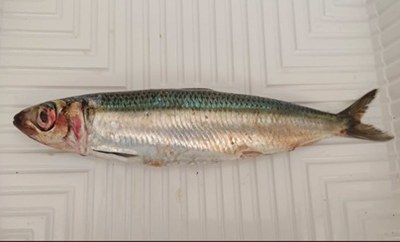
Over 100 Golani Sardines Caught off Lampedusa
Jun 22, 2026More than 100 specimens of the Golani sardine (Etrumeus golanii), a species native to the Red Sea, were caught by fishermen from Lampedusa during an anchovy fishing trip.
The species was first reported in Italian waters by ISPRA in 2006, following the capture of a specimen off the Island of Lampedusa in September 2005, with only sporadic catches recorded in subsequent years.
This remarkable catch confirms the widespread presence of this alien species in the Strait of Sicily. The specimens were handed over to ISPRA researchers working on the island for scientific research and will be analyzed in the laboratory.
The role of fishermen continues to be of great importance in monitoring alien and rare species in our seas.

XXI ReMI-ISPRA network meeting
Jun 27, 2026 — Jun 27, 2026 TrevisoRound Table on Historic Mining Sites
As part of the "I International Meeting of European Miners," to be held in Tarvisio from June 26 to 28, 2026, the 21st ReMi-ISPRA Network Meeting will be held on June 27.
The 21st ReMi Network Meeting aims to foster discussion among mining museums operating throughout the Italian Alps and in other European contexts. The aim is to highlight both their strengths and key weaknesses, and identify potential improvement measures to enhance the effectiveness of the local mining heritage valorization and management.
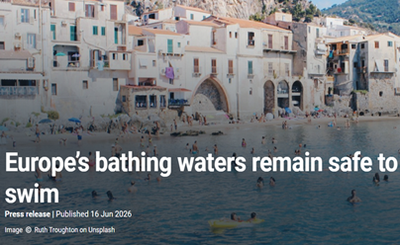
The quality of European bathing waters remains stable
Jun 18, 2026The European Environment Agency (EEA) publishes an annual report on the quality of bathing waters across Europe. According to the latest annual report, covering 2025, bathing water quality from the Atlantic to the Mediterranean appears to remain stable compared with the previous year. Overall, 96% of all monitored EU bathing sites (22,200 sites) met the minimum EU quality standards, while only 1.5% were classified as poor. Austria, Bulgaria, Cyprus, and Greece lead the ranking of safe bathing waters, with around 95% of their bathing sites rated as having excellent water quality.
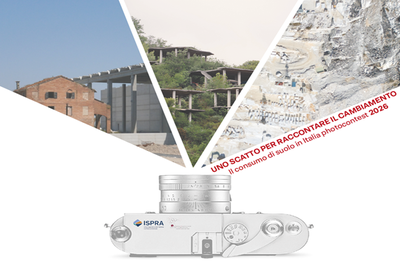
Photography Contest: "From land consumption to urban and territorial regeneration"
Jun 18, 2026A photograph to tell the story of change
ISPRA and SNPA are renewing their photography contest initiative to engage professionals, amateurs of landscape and street photography, and anyone interested in documenting urban and regional regeneration in Italy. The goal is to foster positive change: documenting environmental redevelopment projects, resurfacing projects, and the ecological recovery of previously degraded or artificially developed areas, to provide a comprehensive and scientific view of territorial dynamics.