
News
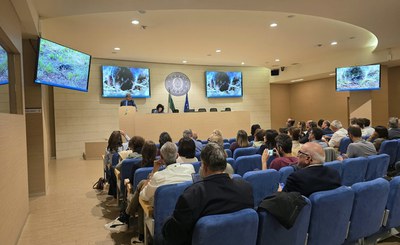
The DigitAP Project Results Capture the Biodiversity of Italy’s Protected Areas
Oct 15, 2026 — Oct 15, 2026 Rome, Ministry of EnvironmentMillions of data records collected, state-of-the-art technologies and a shared digital infrastructure for the coordinated monitoring of biodiversity across Italy’s 24 National Parks and 31 Marine Protected Areas: the work carried out under the DigitAP project came to a close on 15 October at the Ministry of the Environment and Energy Security (MASE).
The project was promoted and implemented by MASE with the support of ISPRA and funded by the European Union – NextGenerationEU.
Italian Coordination Committee of the Covenant of Mayors
Oct 15, 2026 — Oct 15, 2026Meeting of the National Delegation at the 2026 European Covenant of Mayors Ceremony
From Commitment to Implementation: Strengthening Multilevel Governance for Local Climate and Energy Action in Italy
Multilevel governance, scientific data and territorial resilience: ISPRA’s strategic role in the Covenant of Mayors Coordination Committee for the Climate Transition
ISPRA participated in the proceedings of the Italian Coordination Committee of the Covenant of Mayors, established in 2021 by ENEA, which serves as its national coordinator, together with RENAEL and the European Covenant of Mayors Office (CoMO).
On the occasion of the presentation of the national Coordination Committee’s Position Paper, ISPRA’s Director General emphasised the importance of strengthening cooperation between different levels of government and enhancing the role of scientific knowledge and environmental data in supporting local climate policies.
17th Meeting of the Conference of the Parties to the Convention on Biological Diversity (CBD COP17)
Oct 19, 2026 — Oct 30, 2026 ArmeniaThe Kunming-Montreal Global Biodiversity Framework commits signatory countries to protecting 30% of the planet’s land and 30% of its marine areas by 2030.
The conference will take place at a crucial stage in the implementation of the Kunming-Montreal Global Biodiversity Framework (KMGBF). Since the Framework was adopted in 2022, countries will jointly assess progress towards its 23 targets for the first time, shifting the focus from commitments to tangible results and evaluating which agreed actions have actually been implemented.
The Environment as a Source of Healing
Oct 21, 2026 — Oct 22, 2026 Pizzo CalabroGenetics, Epigenetics and the Environment in Health Trajectories
On 21 and 22 October 2026, in Pizzo Calabro (Vibo Valentia), Arpacal will host a study day as part of the VeBS project. Two days dedicated to understanding how the places we live in leave their mark on our biology, and how a healthy environment can help us improve our well-being.
Understanding and Studying Wildlife: ISPRA Meets Local Schools
Oct 15, 2026ISPRA helps promote an environmental culture focused on sustainability by developing educational initiatives and materials, providing educators with methodological updates, and participating, within its areas of expertise, in projects addressing a wide range of environmental issues.
ISPRA’s programme of Environmental Education and Education for Sustainability (EAS) initiatives is aimed at schools of all levels. Drawing on the Institute’s scientific, technical and educational expertise, the programme seeks to foster environmental awareness and encourage sustainable choices and lifestyles among younger generations. Some multimedia educational programmes are available entirely online
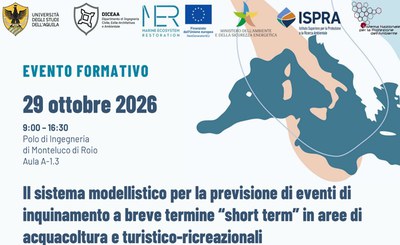
The Modelling System for Forecasting Short-Term Pollution Events in Aquaculture and Tourist-Recreational Areas
Oct 29, 2026 10:00 AM — Oct 29, 2026 04:30 PM Università degli Studi dell’Aquila and onlineOn Thursday, 29 October 2026, a training event will be held as part of ISPRA’s PNRR-MER Project. The event aims to illustrate the features, outputs and functionalities of the Modelling System for forecasting short-term pollution events in aquaculture and tourist-recreational areas.
The System, currently being implemented in three study areas — the Gulf of Tigullio (Liguria), the Gulf of Follonica (Tuscany) and the Sacca di Goro lagoon (Emilia-Romagna) — integrates field and satellite data with various modelling components (atmospheric, hydrological-hydraulic and marine-coastal) to characterise pollution sources and simulate the transport and dispersion processes of pollutants.
Cities: we now know how fragile the ground beneath them is
Oct 13, 2026INTERNATIONAL DAY FOR DISASTER RISK REDUCTION 2026 – 13 OCTOBER
The “Geological Identity Card” of Urban Areas Is Launched
One single score measures geological and climatic pressures, as well as a city’s strengths.
How fragile is the ground beneath your city? From today, a single score provides an immediate answer. By analysing geological and climatic factors, as well as human activities, the Urban Geo-climate Footprint (UGF) measures the level of interaction between the geological and climatic context and the urban fabric.
Developed by ISPRA as part of a research project conducted in collaboration with the European network of geological surveys, EuroGeoSurveys, the new method synthesises information available in public databases and assigns a score ranging from 0 to 500 to express the potential impact of geological and climatic phenomena on urban areas. The more the geological and climatic context affects a city’s development and functioning, the higher the score.
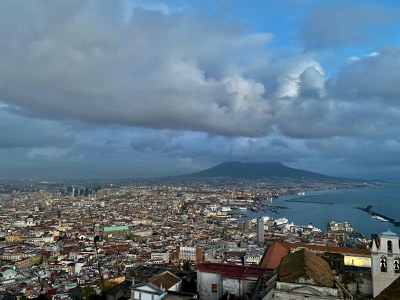
Using this method, ISPRA has already analysed several European cities and all Italian regional capitals and capitals of autonomous provinces. The national results reveal significant differences, ranging from 94 points for Trento to 359 for Naples. Other cities with high scores include Genoa (304), Palermo (265), Bari (255) and Catanzaro (250), while lower scores were recorded for Bolzano (144), Milan (155), Aosta (160) and Trieste (162).
But there’s more. The same method makes it possible to create a genuine Geological Identity Card: the CITY GEO Factsheet (CGF). Like an identity card for people, it brings together the essential information — including positive features, not just potential problems — that defines an urban area’s geological and climatic profile. This ranges from the ground on which the city is built and its groundwater to climatic and human-induced pressures on the subsurface, as well as geological hazards. It also identifies the resources the area offers and the aspects requiring greater attention, providing a clear, accessible overview of the relationship between the territory and the urban fabric.
Maria Alessandra Gallone, President of ISPRA and SNPA, said: “Knowing what lies beneath our feet helps us decide what to do above ground. With the Urban Geo-climate Footprint — a tool closely related to the Geological Identity Card — a single glance is enough to understand the ground on which a city stands, its main critical issues and where action can be taken. This is the step we want to facilitate: turning scientific data and expertise into practical solutions for those who must make decisions, plan and take action. With this new tool, ISPRA puts knowledge at the service of prevention, because knowing in advance means being able to act more effectively and in time.”
The tool, its user guide, application examples and an explanatory documentary are available on the ISPRA portal.
Cities Under Pressure - Documentary
World Migratory Bird Day
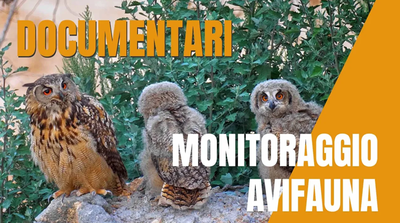
Oct 10, 2026 — Oct 10, 2026ISPRA releases a documentary dedicated to bird monitoring
10 October 2026 marks World Migratory Bird Day. Birds are remarkable bioindicators: sensitive to changes in the landscape, their presence and population status provide valuable insights into environmental quality and the biodiversity richness of the ecosystems they inhabit and travel through.
To celebrate this day, we are releasing the third episode in our documentary series dedicated to biodiversity monitoring. The series was produced with funding from Italy’s National Recovery and Resilience Plan (PNRR) as part of the DigitAP project, promoted and implemented by the Italian Ministry of the Environment and Energy Security (MASE), with support from ISPRA and funding from the European Union – NextGenerationEU. ISPRA played a leading role in providing scientific guidance for the project.
Set against the spectacular and complex landscape of the Cinque Terre National Park, this third episode shows how technological innovation is transforming field research. By installing acoustic recorders and using machine-learning-based software for species identification, researchers can continuously and non-invasively detect, track and analyse the presence of species across the territory. These methods improve the quality of the data collected and strengthen our ability to protect biodiversity in Italy’s national parks.
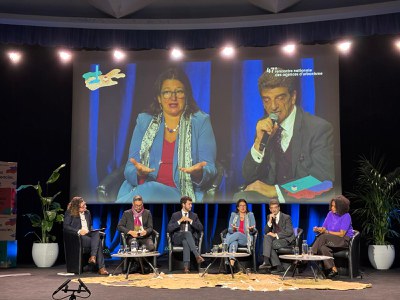
47th Congress of the Fédération Nationale des Agences d’Urbanisme
Oct 07, 2026 — Oct 09, 2026 CaenThe 47th Congress of the Fédération Nationale des Agences d’Urbanisme, which brings together around 50 public urban planning agencies in France, took place in Caen from 7 to 9 October 2026. The congress addressed the issue of land management, focusing on a comprehensive restructuring of urban planning policies in light of the new European Soil Monitoring Law Directive.
WAVEGUARD project
Oct 09, 2026ISPRA is a partner in the WAVEGUARD project, funded by the European Union under the Interreg VI-A Italy-Malta 2021-2027 Programme. The project aims to mitigate risks associated with extreme marine-weather events—which are becoming increasingly frequent and intense due to climate change—with a focus on medicanes and meteotsunamis in the Strait of Sicily. Observational networks will be installed and upgraded in Italy and Malta, prototype warning systems and hydrodynamic models will be developed, and emergency management exercises will be conducted.
Civil protection pathways
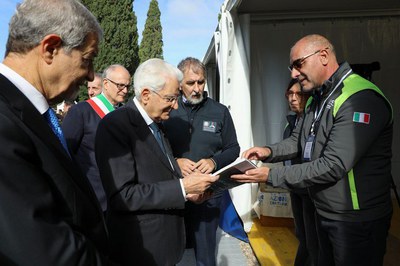
Oct 15, 2026 — Oct 18, 2026 Rome, Villa BorgheseTo mark the eighth edition of National Civil Protection Week (October 12–18)—an initiative aimed at promoting the National Civil Protection Service and fostering a culture of prevention—the "Civil Protection Pathways" event will be held at Villa Borghese from October 15 to 18. Citizens, families, and schools will have the opportunity to participate in demonstrations, hands-on exercises, and talks to gain firsthand insight into the various entities that make up the National Service.
ISPRA will host a stand where its researchers will present the Institute's work regarding environmental protection and the management of environmental emergencies.
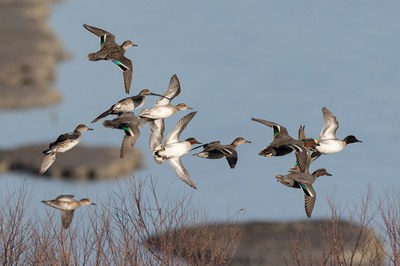
World Migratory Bird Day: “Every Sighting Counts”
Oct 08, 2026Italy at the Heart of Migration Routes through Citizen Science and the AEWA Agreement
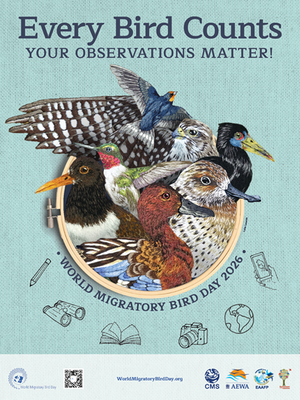
On the occasion of the autumn observance of World Migratory Bird Day, the Ministry of the Environment and Energy Security (MASE) and ISPRA invite citizens to become active participants in scientific research.
Saturday, October 10, 2026, marks the autumn observance of World Migratory Bird Day, the global campaign promoted by the United Nations environmental treaties CMS (Convention on Migratory Species) and AEWA (Agreement on the Conservation of African-Eurasian Migratory Waterbirds), together with Environment for the Americas (EFTA) and the East Asian-Australasian Flyway Partnership (EAAFP).
The official 2026 theme, “Every Bird Counts – Your Observations Matter!” (“Every Bird Counts – Your Observations Matter!”), highlights the invaluable contribution of Citizen Science (public participation in scientific research). From observations in urban parks to wetland monitoring, data collected by enthusiasts, volunteers and birdwatchers around the world are transformed into essential scientific tools for protecting global biodiversity.
ISPRA Returns to Schools with the “Programme of Environmental Education and Sustainability Initiatives”
Oct 08, 2026With the publication of the “Programme of Environmental Education and Sustainability Initiatives” for the 2026/27 school year, promoted by the Environmental Education and Training Area in collaboration with the Institute’s technical and scientific departments, ISPRA’s educational activities for schools are resuming.
International Fossil Day
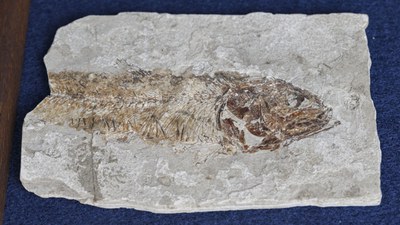
Oct 14, 2026 — Oct 14, 2026 Rome, MUCIV-Museo delle Civiltà – Palazzo delle Scienze Piazza Guglielmo Marconi, 14On October 14, to mark International Fossil Day, MUCIV – Museum of Civilizations and ISPRA are organizing guided tours for adults and educational activities for children, young people, and families in the galleries dedicated to ISPRA’s paleontological collections.
Nature, climate and Global Stability
Oct 07, 2026 — Oct 08, 2026Integrated Strategies for Ecosystem Resilience, Climate Mitigation and Health Security
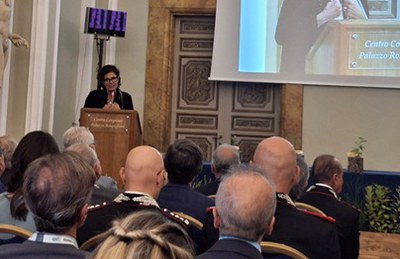
The Forestry, Environmental and Agri-Food Units Command (CUFAA) of the Carabinieri, in collaboration with the FAO, is organising the International Conference “Nature, Climate and Global Stability – Integrated Strategies for Ecosystem Resilience, Climate Mitigation and Health Security” in Rome on 7 and 8 October. The summit serves as a preparatory meeting for COP31 in Antalya. The initiative seeks to address a gap in global governance and overcome the longstanding separation between climate policies and biodiversity protection, promoting the latter as an essential “resilience technology” for preventing the creation of fragile “green deserts".
Sarno River: ISPRA’s Scientific and Technical Support for Environmental Protection
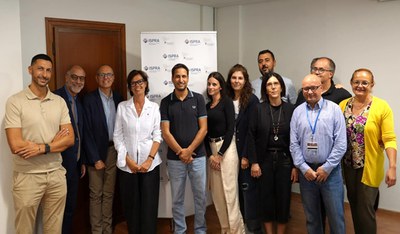
Oct 06, 2026 — Oct 06, 2026On 17 December 2025, the “Memorandum of Understanding for investigative activities aimed at combating pollution affecting the Sarno River and its tributaries” was signed by the Public Prosecutors’ Offices General at the Courts of Appeal of Naples and Salerno, the territorially competent Public Prosecutors’ Offices, the law enforcement agencies involved, ARPAC and ISPRA. The agreement is aimed at strengthening investigative, monitoring and technical assessment activities to identify the causes of environmental contamination within the Sarno River basin.
The Memorandum expressly identifies the scientific and technical support provided by the institutions belonging to the National System for Environmental Protection as an essential element for the effective conduct of investigative activities and for identifying sources of contamination and the factors causing them.
Following Seabird Routes for the Future of High Seas Protected Areas
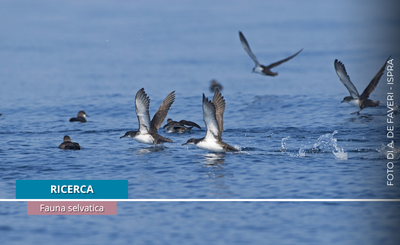
Oct 07, 2026A study of 13,000 seabirds in the Atlantic and Mediterranean provides scientific guidance for expanding protection to at least 30% of the planet’s marine surface by 2030
The expansion of Marine Protected Areas (MPAs) is one of the cornerstones of international efforts to halt the loss of biodiversity caused by human activities. The global Kunming-Montreal Agreement aims to protect at least 30% of the world’s marine surface by 2030, an objective incorporated at the European level into the EU Biodiversity Strategy for 2030 and into the National Biodiversity Strategy for 2030.
However, around 60% of the oceans consists of the High Seas: international waters extending beyond 200 nautical miles from the coast, which for a long time remained without effective shared protection. This gap was finally addressed with the entry into force, in early 2026, of the landmark UN High Seas Treaty (BBNJ Agreement), which finally provides a binding legal framework for establishing marine reserves in waters beyond national jurisdiction.
Orienta Talenti 2026
Nov 03, 2026 — Nov 05, 2026 MilanoOrienta Talenti it aims to promote future-oriented guidance experiences designed to facilitate the educational and professional journeys of students—ranging from lower and upper secondary school to university—as well as visitors.
The initiative involves both public institutions (ministries, regions, and municipalities) and private entities (entrepreneurs; professionals in education, employment, research, sports, and associations), alongside technology and science players engaged in the major transitions of the 21st century.
The 2026 edition of the event will take place from November 3 to 5; ISPRA will be present with the exhibition "Natura 2000 Network and Bicycle Tourism: Conservation as an Opportunity for Sustainable Jobs" On 3 November at 2:30 PM, ISPRA researchers will present the photography exhibition.
ISPRA President Alessandra Gallone will speak at the opening ceremony.
Habitat is not just a home for humans, but a dwelling place for all species
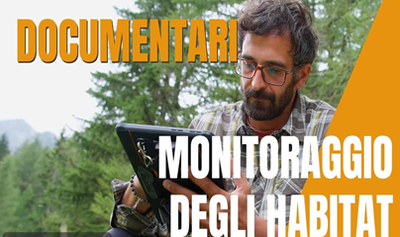
Oct 05, 2026The UN World Habitat Day, celebrated this year on October 5, was established to reflect on the urban environments in which we live. But science teaches us that there is no boundary between our home and that of nature. Protecting the human habitat means, first and foremost, safeguarding the ecosystem that sustains all forms of life.
For this reason, today we are launching the second episode of our documentary series dedicated to biodiversity monitoring. The series was produced with funding from the National Recovery and Resilience Plan (PNRR), as part of the DigitAP project, promoted and implemented by the Italian Ministry of Environment and Energy Security (MASE), with the support of ISPRA and funding from the European Union – NextGenerationEU. ISPRA played a leading role in the project’s scientific direction.
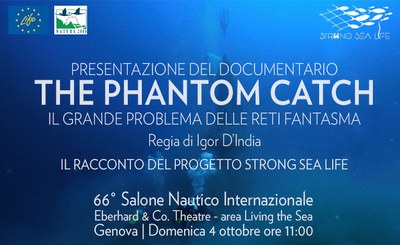
LIFE STRONG SEA project
Oct 02, 2026The Sea We Can Save: The Story Told by the Documentary “The Phantom Catch”
ISPRA at the Genoa International Boat Show with the recovery of ghost fishing gear
4 October 2026 – 11:00 a.m. – Eberhard & Co. Theatre – Living the Sea Area
More than 180 reports, 24 recovery operations, 156 pieces of fishing gear removed, and over 22 tonnes recovered. These are the unprecedented achievements of the LIFE STRONG SEA Project, coordinated by ISPRA and funded by the European Union’s LIFE Nature and Biodiversity Programme. The project will be presented at the Genoa International Boat Show through the documentary “The Phantom Catch – The Great Problem of Ghost Fishing Gear”, directed by Igor D’India. In addition to presenting the project’s results, the documentary retraces a five-year journey involving researchers and divers working to free the Mediterranean from fishing gear lost at sea.
The main objective of the Project is to protect and improve the conservation status of priority marine habitats, including Posidonia oceanica seagrass meadows and coralligenous habitats, both of which are protected under the Habitats Directive and included in the European Natura 2000 network of protected sites.
The recovery operations involved different types of fishing gear, including gillnets, trawl nets, traps and longlines, found at depths ranging from 8 to 40 metres. Scientific analyses of the recovered gear identified 89 species belonging to 50 groups of living organisms classified according to shared characteristics (taxa), with crustaceans accounting for the largest share (30%), followed by algae and encrusting organisms. This finding provides evidence of the progressive biological colonisation process that affects fishing gear lost at sea over time.
Maria Alessandra Gallone, President of ISPRA and SNPA: “It is particularly meaningful for us to present the Strong Sea Life project and the documentary that tells the story of its results here, where the sea—our country’s natural heritage and an essential resource—is at the heart of the event. The Boat Show is also one of the places where the different dimensions of our country’s relationship with the sea come together most clearly: boating, industry, research, innovation, tourism, culture and employment.
Removing a ghost net means doing much more than simply removing waste from the sea; it means reducing a source of pressure on marine ecosystems, recovering materials, preventing further damage and raising awareness of the importance of prevention.
The documentary helps bring to light what often remains hidden, making complex issues more accessible to the public and, above all, fostering greater awareness. Protecting the sea is not only the responsibility of institutions or experts; it is a collective challenge that concerns each and every one of us, through the choices we make every day”.

Circular Intelligence 2026
Oct 01, 2026 — Oct 01, 2026Circular Intelligence is the international event organized by EconomiaCircolare.com and ISIA Roma Design dedicated to the ecological and digital transition. This year, in Rome, it brings together institutions, businesses, universities and research centres to discuss European policies—from the Ecodesign Regulation to the Circular Economy Act—and showcase concrete examples of eco-innovation, following the common thread that connects ecodesign, emerging technologies, and the transformation of the economy, value chains and consumption models.
International Day for Disaster Risk Reduction
Oct 13, 2026 — Oct 13, 2026The International Day for Disaster Risk Reduction, known worldwide as the International Day for Disaster Risk Reduction, is observed on October 13.
The day was established by the United Nations General Assembly in 1989.
The purpose of this international observance is to send an important message to governments around the world, as well as to international organizations and the global population, encouraging reflection on the increasing frequency and severity of natural disasters.
The United Nations Office for Disaster Risk Reduction has chosen “Resilience Starts at Home” as the theme for the 2026 International Day.
Tevere Day
Oct 02, 2026 — Oct 11, 2026 Rome, Floating Hub Marevivo Lungotevere Arnaldo da Brescia - Scalo de PinedoFrom October 2 to 11, the historic Scalo de Pinedo transforms into the Teverevivo Environmental Village—a space open to the city dedicated to learning about and protecting the Tiber River, biodiversity, and the urban environment.
The program features science, education, art, culture, and sustainability, offering nature walks, workshops, discussions, creative activities, science outreach, and performances.
Activities will take place across two sites of significant scientific and natural interest in the heart of Rome: the River and Urban Biodiversity Center and the Riverfront Park (Oasi Naturalistica Lungotevere delle Navi).
The Village will also host RIscARTI—the Artistic Recycling Festival—featuring exhibitions, workshops, and discussions focused on the relationship between art, recycling, and sustainability.
National Nature Restoration Plan. ISPRA: New Opportunities for Territories, Communities and the Economy
Sep 28, 2026“Not a Plan of Restrictions, but a major project for the country. Nature conservation must go hand in hand with development, supported by science, participation, and a strong alliance among institutions, local communities, businesses and citizens".
With these words, Maria Alessandra Gallone, President of ISPRA and the SNPA, expresses, on behalf of the Institute, her satisfaction at the Ministry of Environment and Energy Security (MASE) giving the green light for the draft National Nature Restoration Plan to be submitted to the European Commission. ISPRA provided extensive technical and scientific support in preparing the Plan, working closely with MASE and the Ministry of Agriculture, Food Sovereignty and Forestry (MASAF), and in cooperation with the Council for Agricultural Research and Analysis of Agricultural Economics (CREA).
This was a complex and wide-ranging team effort, launched in September 2025, involving the entire Institute. It supported the development of the Plan through scientific analyses, assessment of measures, identification of knowledge gaps, support for central and regional administrations, and dialogue with European institutions. The draft prepared for submission to the European Commission now includes 2,078 restoration measures, the outcome of a process that has been progressively strengthened through public consultation and dialogue with stakeholders.
“The National Nature Restoration Plan,” President Gallone continues, “represents a major opportunity for Italy. We must explain it and, above all, implement it for what it can genuinely become: not a set of restrictions imposed without consultation, but a project to regenerate our natural heritage and, at the same time, our territories, economies and communities. Restoring nature means investing in the future. Sustainability is meaningful when it integrates environmental, economic and social dimensions, placing people and their needs at the centre. The extensive work carried out by the Institute so far is certainly not an end point, but an ongoing process that continues today and into the future.”
For ISPRA, it will be essential for the implementation phase to continue following the same approach of dialogue and participation that accompanied the preparation of the Plan. The public consultation was followed by meetings with environmental organisations, representatives of the fisheries, agricultural and forestry sectors, hunting associations, stakeholders working in urban environments, and the National Association of Italian Municipalities (ANCI).
“This,” Gallone continues, “is the approach we must continue to follow: a strong alliance for nature and sustainable development. The State, Regions, Municipalities, the National System for Environmental Protection, the scientific and research community, businesses, farmers, fishermen, associations and citizens must all play an active role in a shared process. The transition works when no one is left on the sidelines and when scientific knowledge becomes a practical tool to support decision-making".
This vision is further reinforced by the words of President of the Republic Sergio Mattarella on the occasion of Terra Madre, when he referred to biodiversity as an asset that protects human health and as a responsibility requiring public participation and institutional action. “President Mattarella’s words,” President Gallone concludes, “once again point us in a clear direction: the environment, biodiversity, people and development do not belong to separate worlds. They are all part of the same future. Nature restoration must not mean bringing territories to a standstill, but helping them evolve in a better way – making them safer, more attractive and capable of generating new economic opportunities and employment.”
ISPRA will continue to make its scientific expertise, data, platforms and knowledge of the territory available to MASE, MASAF and the institutional system as a whole, supporting the subsequent phases of the Plan within the scope of its responsibilities".
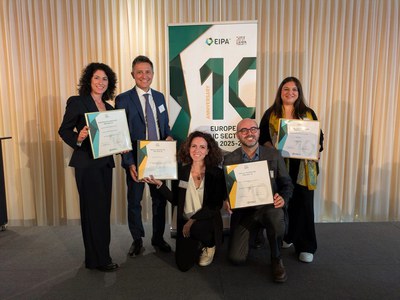
Europe honors IdroGEO: the ISPRA platform that is evolving and engaging with citizens
Sep 25, 2026Special recognition at the European Public Sector Award 2025–2026 for the national platform on hydrogeological instability
IdroGEO—ISPRA’s national platform for monitoring hydrogeological instability—was honored this afternoon at the European Public Sector Award (EPSA) 2025–2026. Thanks in part to Artificial Intelligence, the platform now engages directly with citizens and provides immediate access to information about the territory. The award recognizes the platform’s ongoing updates, the development of new features, and its ability to deliver innovative, accessible, and sustainable digital public services over time.
Public, free, open, and interoperable, IdroGEO makes data accessible at any time, including via smartphone. It offers direct access to scientific and technical information, helping to improve understanding of territorial risks and fostering a stronger culture of prevention.
Approval of the enabling bill on sustainable nuclear energy
Sep 24, 2026Maria Alessandra Gallone: “ISPRA is ready to play its part”
“We welcome with great interest the final approval of the enabling bill on sustainable nuclear energy; this brings Italy back to investing in the research and development of new technologies within a sector that is strategic for the country’s energy future.”
This statement was made by Maria Alessandra Gallone, President of ISPRA and the SNPA, commenting on Parliament’s final green light for the measure—a key initiative championed by the Minister of the Environment and Energy Security, Gilberto Pichetto Fratin.
“The energy transition and decarbonization goals require an energy mix that is increasingly safe, sustainable, and diversified. Future decisions will be based on the quality and reliability of data and on assessments of sustainability conditions”.
“It is important,” President Gallone continues, “for our country to once again play a leading role in nuclear research and next-generation technologies, in order to provide institutions with the best available scientific evidence".

School-to-work training programs (formerly PCTO) – 2026/2027 school year
Sep 23, 2026School-to-work training programs for the 2026/2027 school year have been published, available in both in-person and e-learning formats.
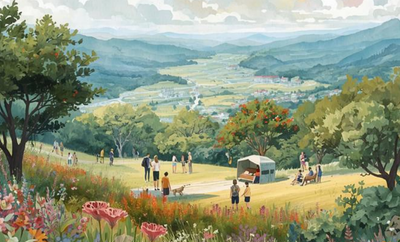
Geoparks, Parks, Territories, Communities
Oct 06, 2026 — Oct 06, 2026 Rome, Palazzetto Mattei in Villa Celimontana e onlineOn October 6, marking the UNESCO International Day of Geodiversity, the Italian Federation of UNESCO Clubs and Associations (FICLU), the Italian Society of Environmental Geology (SIGEA), and the Italian Geographical Society (SGI) are organizing a conference titled "Geoparks, Parks, Territories, Communities."
Today, geoparks and parks represent an asset of extraordinary value: they are not merely areas for environmental protection but true sustainability laboratories for and with local communities, aiming to enhance landscapes, geological history, and cultural elements through a systemic approach. The conference therefore seeks to highlight the role of geoparks and parks as tools for education, research, and responsible tourism, showcasing best practices, successful experiences, and future prospects.
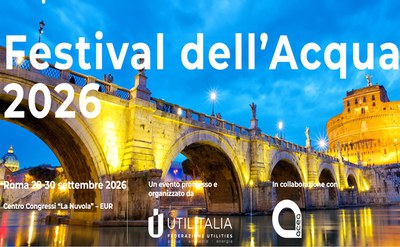
Water Festival 2026
Sep 28, 2026 — Sep 30, 2026 RomeFrom September 28 to 30, Rome will host the 9th edition of the Festival dell’Acqua, one of Italy’s leading events dedicated to water services and water management.
This year, thanks to a collaboration between Utilitalia and One Water, the event—which brings together thousands of experts and professionals from across Italy—will take place in conjunction and simultaneously with the Euro-Mediterranean Water Forum (September 29–October 2), offering a programme of debates and workshops on water-related issues, with a particular focus on the national context and the perspective of the European strategy for water resilience.
Following the opening event on September 28, which will be attended by ISPRA President Alessandra Gallone, the programme will continue with two further days of discussion and in-depth sessions at the “La Nuvola” Convention Centre. On September 29 and 30, plenary and technical sessions will bring together representatives of public institutions, as well as national and international professionals and experts in the sector.
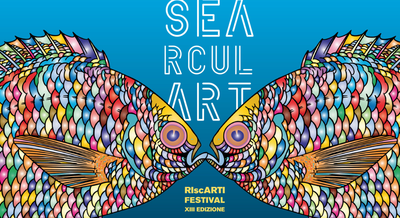
RIscARTI FESTIVAL
Oct 02, 2026 — Oct 11, 2026 Roma, Marevivo Floating Hub13th Edition
Art, Sustainability and Cultural Transformation
RIscARTI, the Artistic Recycling Festival, is a multidisciplinary cultural project dedicated to environmental sustainability, creative recycling, and contemporary art as a tool for social transformation.