Greenhouse Gas Emissions Fall by 1.5% in 2026 as GDP Grows
Oct 21, 2026ISPRA Publishes Estimates of Atmospheric Emissions
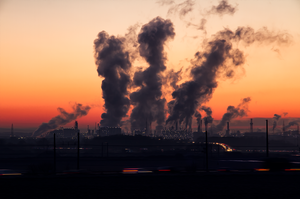
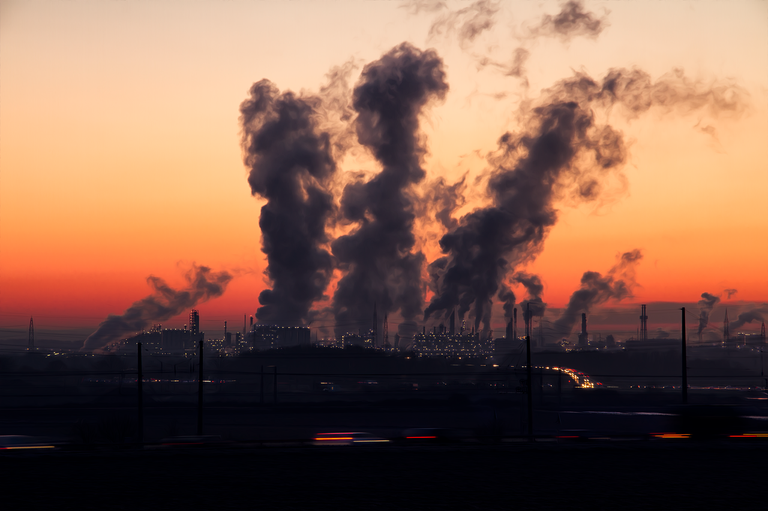
Based on the available data for the second half of the monitoring period, greenhouse gas emissions in 2026 are expected to decrease by 1.5% compared with 2025, while GDP is projected to grow by 0.8%. The overall reduction is driven primarily by a decline in coal consumption, which is used both in the residential sector and in industry, with emissions from industrial activities falling by 7.7%. This is followed by a 1.4% reduction in emissions from energy production and a 1.2% decrease in emissions from heating, in line with natural gas consumption trends. The transport sector also records a slight decline of 0.2%, mainly due to lower diesel consumption for road transport, partially offset by an increase in petrol consumption. No significant changes are expected in 2026 compared with the previous year in agriculture and waste management.
These are the key findings of the quarterly greenhouse gas emissions estimates produced by ISPRA (the Italian Institute for Environmental Protection and Research). This monitoring exercise makes it possible to regularly assess the relationship between economic performance and environmental impact, providing essential insights into the country's climate trends. The latest figures point to an initial reduction in greenhouse gas emissions—a first positive sign that will need to be sustained and strengthened to achieve climate targets.
“The estimates for 2026 confirm a very important trend: the gradual decoupling of economic growth from greenhouse gas emissions” said Maria Alessandra Gallone, President of ISPRA and SNPA (the National System for Environmental Protection). “GDP growth of 0.8% alongside a 1.5% decrease in greenhouse gas emissions is an encouraging and tangible sign that economic growth and environmental sustainability can go hand in hand rather than necessarily being in conflict. This result underscores the importance of decarbonisation policies, energy efficiency and technological innovation, demonstrating how the green transition can also create opportunities for the country's development and competitiveness. We know that achieving European and national climate targets will require continued commitment, consistent action and investment. However, falling emissions in the industrial sector and the growing contribution of renewable energy sources, which meet more than 42% of electricity demand, are important signs of an ongoing transformation.”
The challenge is to consolidate these gains and accelerate change, bringing together environmental protection, economic growth and people's well-being. In this process, the scientific expertise and monitoring provided by ISPRA and the National System for Environmental Protection are essential tools for guiding informed decisions and effective policies.
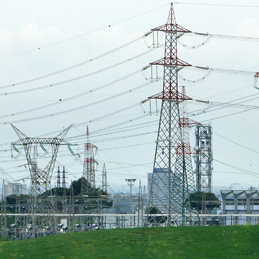
In 2026, electricity demand stood at 156,671 GWh, representing an increase of 2.5% compared with the same period in 2025 and 3.3% compared with 2024. This energy demand was met by renewable energy sources (RES), which accounted for 42.8%, non-renewable sources, which supplied 41.1%, and net electricity imports, which accounted for the remaining 16.2%.