Wildfires: When Fire Erases Green
Oct 16, 2026Understanding the impacts to protect forests: prevention starts now.
ISPRA updates wildfire data.
Wildfires in Europe and Italy
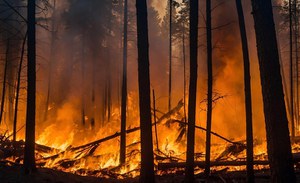
According to the European Forest Fire Information System (EFFIS), the 2026 wildfire season remains severe across Europe, particularly in Spain, France, Italy, Croatia and Belgium.
Between 1 January and 15 September 2026, Italy recorded 2,076 major wildfires, burning over 1,200 km², an area almost as large as Rome’s municipal territory. Nearly 200 km² of the burned land consisted of forests.
Sicily was the hardest-hit region, accounting for 55% of Italy’s total burned area, followed by Calabria and Puglia, each representing around 10%. Piedmont was the most affected region in northern Italy, while Abruzzo led in central Italy, both accounting for approximately 4%.
Agrigento was the most severely affected province, with 222 km² burned, including around 15 km² of forest.
Protected areas were particularly vulnerable: over 30% of Italy’s total burned area and approximately 40% of burned forest land fell within national parks, nature reserves and Natura 2000 sites.
Major wildfire events
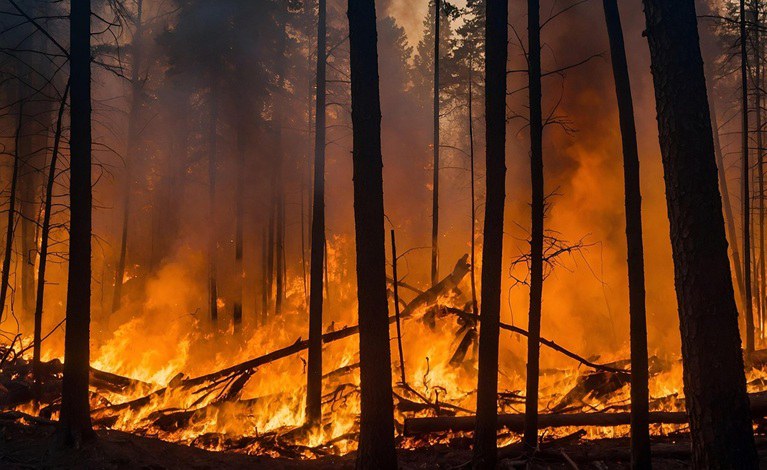
On 20 July, a large fire in the provinces of Agrigento and Palermo burned 63 km², including 12 km² of forest, mainly evergreen woodland and conifer plantations, much of it within ecologically valuable areas.
On 4 August, another serious fire affected Piedmont’s Biella and Vercelli provinces, burning approximately 9 km² of forest, primarily mixed deciduous and coniferous woodland.
Monitoring and prevention
ISPRA’s wildfire monitoring system uses high-resolution satellite observations to provide scientifically reliable data, helping national and regional authorities assess environmental damage and improve forest protection and prevention strategies.